

SZN Meaning: What It Really Stands For and How to Use It
Scroll through TikTok, Instagram, or Twitter/X long enough and “szn” is bound to show up somewhere, in a caption, a comment, or a trending hashtag. If you’ve ever paused mid-scroll wondering whether that’s a typo or an actual word, you’re not alone. It’s not a typo. It’s one of the internet’s favorite vowel-dropped abbreviations, and once you know what it means, you’ll start noticing it everywhere.
Here’s the short answer: SZN is internet and texting slang for “season.” It’s used the exact same way “season” is used in regular speech, just spelled without the vowels to make it faster to type and give it a trendier, more casual feel. What makes it interesting isn’t the definition itself; it’s how flexibly people apply it, from literal weather seasons to sports seasons to entire cultural moments like “cuffing szn” or “spooky szn.”
This guide breaks down everything worth knowing about SZN: its exact meaning, where it came from, the most common phrases built around it, how to use it correctly, and how it compares to other vowel-dropped slang. By the end, you’ll be able to use SZN naturally instead of just recognizing it when you see it.
What Does SZN Mean? The Quick Answer

SZN is a shortened, vowel-dropped spelling of the word “season.” It’s pronounced exactly the same way as “season”; the letters are simply written without the vowels, turning a six-letter word into a three-letter abbreviation.
SZN is used in casual digital communication, texting, social media captions, comments, and hashtags to refer to any period of time associated with a specific activity, trend, mood, or event. That can mean:
- A literal calendar season (summer, winter, fall, spring)
- A sports season (football szn, basketball szn)
- A recurring cultural moment (cuffing szn, spooky szn, festival szn)
- A personal life phase (glow-up szn, healing szn, hot girl szn)
- A recurring event period (exam szn, tax szn, allergy szn)
-
Core Fact Detail Full word Season Pronunciation Identical to “season” Word type Noun, used the same way “season” functions grammatically Common platforms TikTok, Instagram, Snapchat, Twitter/X, group texts Formality level Casual only, not appropriate for formal writing First popularized Early-to-mid 2010s, hip-hop and sports culture
Because “season” already carries a fairly flexible, metaphorical meaning in everyday English (think “awards season” or “flu season”), SZN inherited that same flexibility, and internet culture ran with it.
Why the Word “Season” Was Already Primed for This Kind of Slang
It’s worth pointing out that “season” was an unusually good candidate for this kind of internet abbreviation, long before SZN ever became popular. Standard English already uses “season” metaphorically in plenty of contexts that have nothing to do with weather: “awards season” during major film and TV ceremonies, “flu season” during peak illness months, “silly season” for slow news periods, and “hunting season” or “wedding season” for their respective recurring windows of activity.How to Use SZN Meaning in Different Contexts
That existing flexibility meant SZN didn’t have to build a new metaphorical framework from scratch; it simply inherited one that English speakers were already fluent in. When someone sees “exam szn” or “tax szn” for the first time, the logic clicks almost instantly because the underlying pattern (a recurring period defined by a specific activity) was already baked into how “season” gets used in formal English. Internet slang doesn’t always have this advantage; plenty of abbreviations require learning an entirely new concept, but SZN mostly just requires learning a new spelling for a concept people already understand.
Where Did SZN Come From?
SZN belongs to a much broader trend of vowel-dropped internet slang. Rather than being a completely invented word, it’s simply “season” with the vowels stripped out, a pattern also seen in words like “wknd” (weekend), “txt” (text), and “bck” (back).
The Vowel-Dropping Trend
Removing vowels from common words became a widespread texting habit as SMS and early social media platforms encouraged short, fast typing. Consonants carry most of a word’s recognizable shape, which means a reader can usually still figure out the intended word even with the vowels stripped away. “Szn” reads instantly as “season” to anyone even loosely familiar with internet shorthand, the same way “wknd” instantly reads as “weekend.”
This style of abbreviation isn’t random; it follows a fairly consistent internal logic: keep the consonants that carry the word’s sound and shape, and drop the vowels that are easiest for a reader to mentally fill back in. That’s part of why vowel-dropped slang spreads so quickly and feels intuitive almost immediately, even to people encountering a specific abbreviation for the first time.
Hip-Hop and Sports Culture Origins
SZN specifically is widely credited to hip-hop lyrics and sports commentary, where the term gained traction to emphasize a player’s dominance during a particular stretch of games or an artist’s period of success and relevance. Saying someone is “having a szn” in this context means they’re on a hot streak, performing at an especially high level during a specific window of time.
From there, the term expanded well beyond sports and music. As it spread through social media in the mid-2010s, particularly on platforms like Twitter/X and later Snapchat and Instagram, SZN broadened into a general-purpose word for describing any dominant trend, mood, or recurring life phase, not just athletic or musical success.
From Niche Slang to Mainstream Internet Vocabulary
By the time TikTok became a dominant cultural force in the late 2010s and early 2020s, SZN had already fully crossed over from niche hip-hop and sports slang into mainstream internet vocabulary. Phrases like “spooky szn” (referring to the Halloween season) and “cuffing szn” (the period leading into colder months when people seek out relationships) became genuinely viral, recognizable far outside the communities where the terms originated.
That evolution, from a specific sports/music expression into a broadly applicable seasonal descriptor, is a pretty common life cycle for internet slang. A term starts in a specific subculture, gets picked up more broadly as it circulates on social platforms, and eventually becomes flexible enough that people apply it to almost any recurring time period they want to describe.
The Most Common SZN Phrases (And What They Actually Mean)

While SZN can technically attach to just about any noun or time period, a handful of specific phrases have become genuinely popular and recognizable on their own. Here’s a breakdown of the most common ones.SZN Meaning in Text Messages and Social Media
| Phrase | What It Means |
|---|---|
| Cuffing szn | The colder months (typically fall into winter) when people seek out relationships to have a partner during the season |
| Spooky szn | The Halloween season, roughly September through October |
| Hot girl szn | A period of confidence, self-focus, and enjoying life, popularized as a cultural catchphrase in the late 2010s |
| Football szn / basketball szn | The active competitive months of a specific sport |
| Allergy szn | Spring, when seasonal allergies peak for many people |
| Exam szn | The weeks leading up to and during school exams |
| Tax szn | The period leading up to tax filing deadlines |
| Wedding szn | Late spring through early fall, when most weddings take place |
| Glow-up szn | A period of self-improvement, whether physical, emotional, or lifestyle-related |
| Festival szn | The spring and summer months when most major music festivals occur |
Cuffing Szn, Explained
Cuffing szn is one of the most widely recognized SZN phrases, and it refers to the period when single people become more motivated to find a relationship, generally as the weather turns colder and the idea of being “cuffed” (tied down, paired up) to a partner for cozy nights in becomes more appealing than being single through the winter. The term typically applies to the months from around October through February, though usage varies depending on region and personal interpretation.
Spooky Szn, Explained
Spooky szn refers specifically to the lead-up to Halloween, generally starting in September and running through October 31st. It’s used heavily in social media captions for pumpkin patches, costume planning, horror movie marathons, and general autumn aesthetic content. Unlike some SZN phrases that carry a specific emotional undertone, spooky szn is almost purely about seasonal excitement and aesthetic enjoyment.
Hot Girl Szn, Explained
Hot girl szn became a viral catchphrase after being popularized by a well-known artist in a 2019 song, and it quickly became shorthand for a mindset rather than a literal calendar period, prioritizing confidence, self-care, fun, and personal enjoyment, regardless of relationship status or time of year. While it started as a specific cultural reference, it’s since become a more general phrase people apply to any period of feeling especially confident or carefree.
Exam Szn and Tax Szn, Explained
Not every SZN phrase is about fun or aesthetics; some describe stretches of time that are genuinely stressful. Exam szn refers to the weeks surrounding major school or university testing periods, typically used to describe the accompanying stress, late-night studying, and general chaos that comes with it. Tax season works the same way in an adult context, referring to the weeks leading up to tax filing deadlines, when people are gathering paperwork, meeting with accountants, or scrambling to file on time.
Both phrases share a similar comedic function: they take a genuinely stressful, unavoidable period and frame it with the same lighthearted, almost celebratory language used for fun seasonal phrases like spooky szn or festival szn. That contrast, applying upbeat, trendy phrasing to something objectively unpleasant, is part of what gives these particular SZN phrases their humor. Complaining about “exam szn” carries a very different tone than simply saying “exams are stressful”; it signals shared, almost bonding-level frustration with anyone else going through the same thing at the same time.
Allergy Szn and Wedding Szn, Explained
Allergy season typically refers to spring, when pollen counts peak and seasonal allergy symptoms become a common shared complaint across social media. It’s frequently paired with complaints about sneezing, itchy eyes, or a general sense of seasonal misery, again applying that same lighthearted framing to something that’s more annoying than exciting.
Wedding szn, on the other hand, leans positive. It refers to late spring through early fall, the stretch of the calendar when the overwhelming majority of weddings take place, largely due to more favorable weather and longer daylight hours. People use the phrase both to describe their own busy calendar of weddings to attend and, increasingly, in wedding industry marketing itself, from florists to venues to photographers promoting their services ahead of the seasonal rush.
How SZN Is Used Grammatically

One of the easiest ways to use SZN correctly is to remember that it functions exactly like the word “season” in a sentence; it’s a direct one-to-one swap, not a word that changes meaning or grammar based on context.
A few examples of correct usage:
- “It’s officially spooky szn.” (subject noun)
- “I’m not ready for cuffing szn.” (object noun)
- “Football szn starts next week.” (compound noun phrase)
- “This whole month has been exam szn.” (descriptive noun phrase)
Because it’s a direct swap for “season,” SZN doesn’t need any special conjugation or grammatical adjustment. If a sentence would naturally use the word “season,” you can generally drop SZN in as a casual replacement without changing anything else about the sentence structure.
Capitalization and Punctuation Habits
Like most casual internet slang, SZN doesn’t follow strict capitalization rules. You’ll see it written as “szn,” “SZN,” or even “Szn,” depending on the platform, the writer’s personal style, and whether it’s leading a sentence. Lowercase is by far the most common style, since it fits the generally relaxed, all-lowercase aesthetic that dominates casual texting and caption writing.
Hashtags built around SZN phrases also tend to compress the whole phrase together without spaces, like #cuffingszn or #spookyszn, which is standard practice for hashtags generally but worth noting since it can make the word slightly harder to parse visually at first glance if you’re not used to seeing it that way.
SZN Across Different Platforms and Contexts
The tone and typical usage of SZN shift slightly depending on where you encounter it. Here’s a breakdown of how it tends to show up across different digital spaces.
| Platform/Context | Typical Usage | Example |
|---|---|---|
| TikTok captions | Aesthetic, trend-driven, often tied to a seasonal theme | pumpkin patch fits are giving spooky szn |
| Instagram captions | Lifestyle or mood-based, often paired with photos | new hair, new me, glow-up szn |
| Twitter/X | Sports commentary, hot takes, trending topics | he’s been unstoppable, this is his szn |
| Snapchat | Casual, personal, used between friends | it’s officially cuffing szn lol |
| Group texts | Playful commentary on life events | exam szn is destroying me rn |
| Dating apps | Signals relationship mindset or availability | not really looking, just enjoying hot girl szn |
| Gaming communities | Hype around game updates, tournaments, or new content drops | new szn just dropped, the battle pass is fire |
| Professional/creative industries | Rare, but occasionally used casually in marketing or startup culture | we’re heading into launch szn |
Recognizing the platform helps set expectations for tone. A “szn” on a sports-focused Twitter/X account is almost certainly about athletic performance, while the same word in an Instagram caption is far more likely tied to a lifestyle or aesthetic theme.
How SZN Shows Up in Memes and Humor
Beyond straightforward captions, SZN has become a reliable building block for internet humor and memes specifically because of how easily it attaches to almost any noun. Meme formats built around “it’s [blank] szn” have circulated widely, applying the phrase to increasingly absurd or hyper-specific situations for comedic effect: “it’s crying in the shower szn,” “it’s pretending to have my life together szn,” and similar self-deprecating variations.
This meme usage stretches the term even further from its literal roots, but it follows the same underlying logic as every other SZN phrase: framing a recurring or relatable situation as if it were an official, calendar-worthy season. The humor comes from applying that same structure to something that’s clearly too specific, too personal, or too mundane to actually be a real season, which is exactly what makes the joke land.
Is SZN Appropriate for Professional Use?
Generally, no. SZN is casual internet slang, and using it in professional emails, client communication, or formal writing is likely to come across as unpolished or overly informal, especially with colleagues, clients, or audiences unfamiliar with the term.
There are a few narrow exceptions worth noting:
- Marketing and social media content for brands that intentionally lean into a casual, trend-aware voice (streetwear, youth-focused brands, gaming companies) sometimes uses SZN deliberately as part of their tone.
- Startup or creative industry culture, where internal communication tends to be more relaxed, occasionally sees SZN used casually in Slack messages or internal copy, though rarely in anything client-facing or formal.
Outside of those specific cases, it’s safer to default to the full word “season” in professional writing. A line like “we’re entering launch szn” might work fine in an internal team chat with a casual culture, but the same phrasing in a client proposal or formal report would likely read as unprofessional.
A Simple Test for Deciding Whether to Use SZN
If you’re ever unsure whether a specific situation calls for SZN or the full word “season,” a quick gut-check usually works: would you use other casual abbreviations or emojis in this same message? If the answer is yes, a Slack message to a close coworker, a caption on a personal account, or a text to a friend, SZN will almost certainly fit right in. If the answer is no, a client email, a resume, or a formal announcement, stick with “season” instead.
This test works because SZN doesn’t exist in isolation; it’s part of a broader casual register of language that includes lowercase writing, minimal punctuation, and informal phrasing generally. If the rest of your message already fits that register, adding SZN is a natural, low-risk choice. If the rest of your message is formal, SZN will stand out as noticeably out of place rather than blending in.
SZN vs. Similar Vowel-Dropped Slang
SZN is part of a broader family of vowel-dropped abbreviations that have become common in texting and social media. Here’s how it compares to a few other popular examples.
| Abbreviation | Full Word | Typical Context |
|---|---|---|
| SZN | Season | Time periods, trends, cultural moments |
| WKND | Weekend | Plans, relaxation, short getaways |
| TXT | Text | Referring to messaging itself |
| BSNS | Business | Occasionally used in casual business-adjacent slang |
| PPL | People | General reference to a group |
| GRLZ / BOIZ | Girls / Boys | Playful, informal group references |
What sets SZN apart from most of these is how far its meaning has expanded beyond a literal word swap. While “wknd” almost always just means “weekend” in the literal sense, SZN carries cultural weight; phrases like “cuffing szn” or “hot girl szn” aren’t just shorter versions of longer phrases; they’ve become recognizable cultural references in their own right, closer to established idioms than simple abbreviations.
Why SZN Has Outlasted Many Similar Abbreviations
A lot of vowel-dropped slang from the early texting era has faded out of common use as messaging apps stopped enforcing strict character limits; there’s simply less practical need to abbreviate “weekend” to “wknd” when modern texts don’t charge by the character or truncate at 160 characters the way old SMS plans did. SZN, however, has continued to thrive well past that practical necessity, which suggests its popularity is now driven more by cultural identity and trend-awareness than by any genuine typing-speed advantage.
That distinction matters for understanding where SZN sits in the broader slang landscape. Abbreviations that survive purely on convenience tend to fade once the convenience disappears. Abbreviations that survive because they’ve become tied to specific cultural phrases and shared references, like cuffing szn or spooky szn, tend to stick around much longer, since people keep using them even when a full word would type out just as easily on a modern smartphone keyboard.
Common Mistakes People Make With SZN
Even though SZN is fairly simple compared to more ambiguous slang, a few common mix-ups are worth knowing.
- Using it in formal writing. SZN reads as casual internet slang in any professional or academic context, and using it there can undercut the tone you’re going for.
- Assuming it always refers to a literal weather season. Many of the most popular SZN phrases (cuffing szn, exam szn, hot girl szn) have nothing to do with the weather at all.
- Overusing it in a single piece of content. Like most slang, SZN loses its punch and starts to feel forced if it’s crammed into every sentence of a caption or message.
- Misreading tone. SZN is almost always lighthearted or playful. Using it in a serious or sensitive conversation can feel jarring or out of place.
- Confusing it with unrelated abbreviations. Because it’s short and unfamiliar-looking at first glance, some readers unfamiliar with the term mistake it for an acronym rather than a vowel-dropped spelling of an existing word.
Real Examples of SZN in Everyday Use
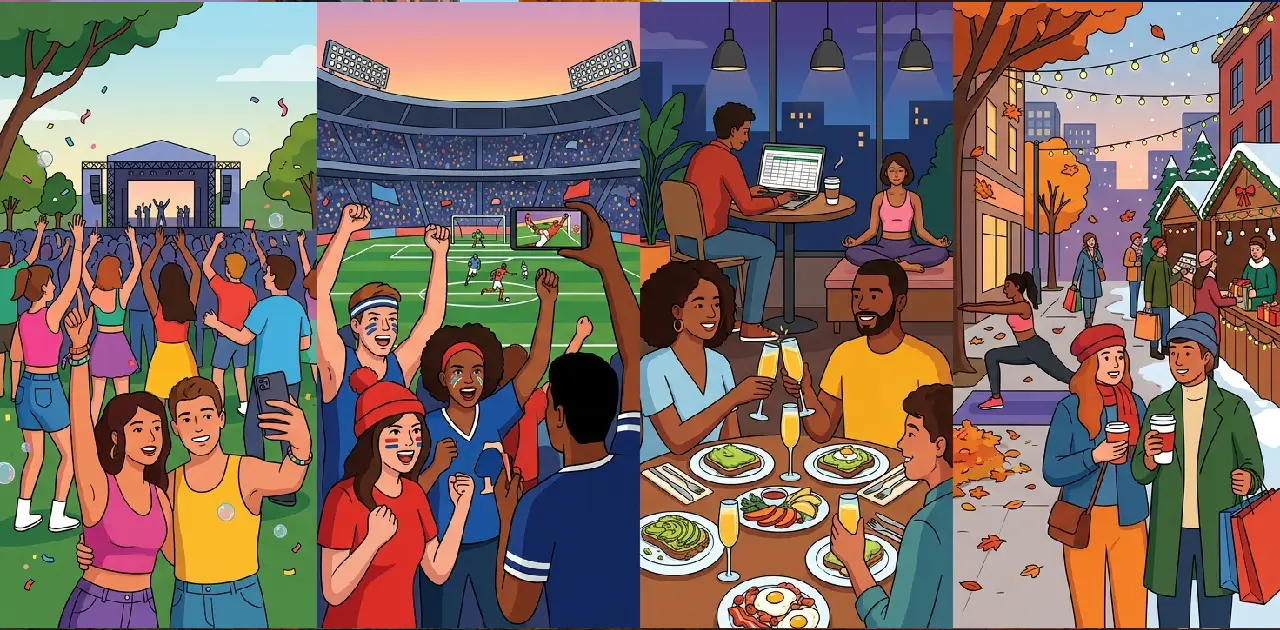
Seeing SZN in full context makes its flexibility much easier to understand. Here are a few realistic examples covering different situations.
Social media caption:
“First pumpkin spice of the year, spooky szn is officially here 🎃”
Sports commentary:
“Three touchdowns in the first half, this dude is having a real szn.”
Group chat:
“It’s exam szn, I haven’t slept in three days.”
Dating app bio:
“Not looking for anything serious rn, just enjoying my hot girl szn.”
Casual text between friends:
“Officially cuffing szn, are you seeing anyone or nah?”
Workplace Slack message (casual startup culture):
“We’re heading into launch szn, all hands on deck this week.”
Across all of these examples, SZN keeps the same core meaning, “season,” but the specific flavor of that meaning shifts entirely based on the surrounding words and context, exactly the way the full word “season” would function in any of these same sentences.
How to Reply When Someone Uses SZN With You
Because SZN is such a flexible, low-stakes piece of slang, replying to it is usually pretty simple; there’s rarely any ambiguity to untangle the way there is with something like WYF. A few natural ways to respond, depending on the phrase:
- If someone says “it’s cuffing szn,” and you agree: “Right?? Everyone’s suddenly in relationships lol”
- If someone says “spooky szn is here”: “Finally!! Halloween decorations are coming out this weekend”
- If someone mentions “exam szn is killing me”: “Ugh, same, good luck though”
- If a caption says “hot girl szn”: A simple like, or a comment like “living your best life 🙌”
The main thing to keep in mind is tone-matching. Since SZN almost always signals a casual, upbeat register, responding with an overly formal or flat reply can feel mismatched. Playing along with the same lighthearted energy tends to keep the exchange feeling natural.
Why SZN Caught On the Way It Did
It’s worth stepping back to look at why this specific abbreviation became so widely adopted rather than staying a small, niche piece of slang. A few factors help explain its staying power:
- It’s genuinely easy to type and read. Three letters versus six is a meaningful difference at scale, especially across millions of daily social media posts and texts.
- It retains the full word’s flexibility. Because “season” already worked metaphorically in English before SZN existed (flu season, awards season, silly season), the abbreviation inherited that same adaptability instantly.
- It has strong cultural attachment points. Phrases like cuffing szn and spooky szn aren’t just abbreviations; they’re recognizable references tied to specific cultural moments, which give them staying power beyond simple shorthand.
- It spread across multiple, overlapping communities. Hip-hop culture, sports fandoms, and general social media users all adopted and reinforced the term simultaneously, which accelerated how quickly it became mainstream compared to slang that stays confined to one specific online community.
That combination, practicality, flexibility, and cultural resonance, is a pretty reliable recipe for slang longevity, and it’s part of why SZN has stuck around and continued evolving for well over a decade rather than fading out as a short-lived trend.
A Quick-Reference Table for Every Major SZN Phrase
For anyone who wants the essentials without re-reading the full breakdown, here’s a condensed summary of the most common phrases, their general timing, and the tone they typically carry.
| Phrase | General Timing | Tone |
|---|---|---|
| Cuffing szn | Fall through winter | Playful, relationship-focused |
| Spooky szn | September through October | Excited, aesthetic-driven |
| Hot girl szn | Anytime, mindset-based | Confident, celebratory |
| Exam szn | Varies by school calendar | Stressed, commiserating |
| Tax szn | Late winter through April | Stressed, mildly comedic |
| Allergy szn | Spring | Complaining, relatable |
| Wedding szn | Late spring through early fall | Busy, positive |
| Festival szn | Spring through summer | Excited, social |
| Glow-up szn | Anytime, self-improvement focused | Motivational, positive |
Keeping a mental map of these common phrases makes it much easier to recognize new, similarly structured SZN phrases the moment they show up, since they nearly all follow the same basic “trend/activity + szn” formula.
Does SZN Mean the Same Thing Everywhere?
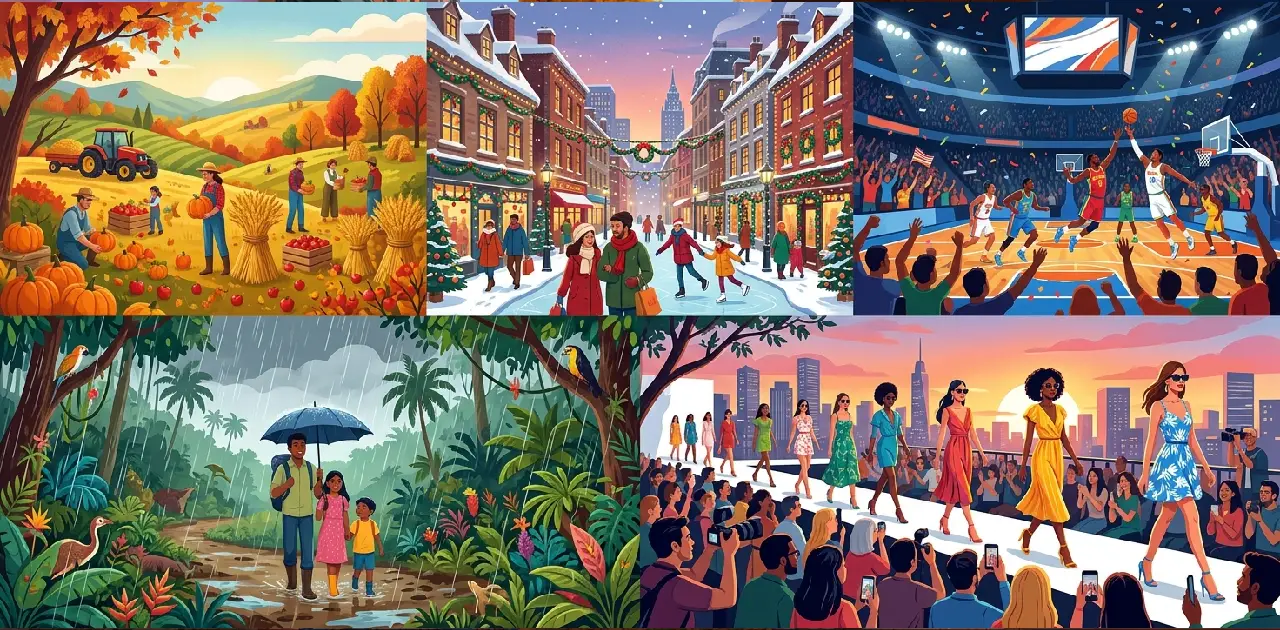
For the most part, yes, the core definition (“season”) stays consistent across regions, age groups, and platforms, which is part of what makes SZN easier to navigate than more context-dependent slang. That said, a few smaller variations are worth knowing:
- Regional timing differences. Phrases like “allergy szn” or “wedding szn” shift slightly depending on climate; someone in a warmer region might consider allergy szn to start earlier in the year than someone in a colder climate.
- Community-specific phrases. Gaming communities have their own SZN vocabulary tied to game content updates, while sports fans apply it almost exclusively to competitive performance, meaning the exact phrases you’ll encounter depend heavily on which online communities you spend time in.
- Generational familiarity. Younger social media users, particularly those active on TikTok, tend to have the widest working vocabulary of SZN phrases, while older or less terminally online users may only recognize the most mainstream examples, like spooky szn or cuffing szn.
None of these variations change the underlying meaning of SZN itself; they just affect which specific phrases a given person is likely to recognize or use regularly.
Frequently Asked Questions
What does SZN mean in text?
SZN is a vowel-dropped abbreviation for “season,” used in texting and social media to describe a time period, trend, or life phase.
Is SZN the same as “season”?
Yes, SZN is simply a shortened spelling of “season” and functions the exact same way grammatically in a sentence.
What does “cuffing szn” mean?
Cuffing szn refers to the colder months, typically fall through winter, when single people are more motivated to seek out a relationship.
What does “spooky szn” mean?
Spooky szn refers to the Halloween season, generally spanning September through October.
Is SZN appropriate to use at work?
Generally, no, it’s considered too casual for professional or formal writing, though some creative or startup workplaces use it informally in internal chats, Slack messages, or casual marketing copy.
Where did the term SZN originate?
SZN originated in hip-hop lyrics and sports commentary in the early-to-mid 2010s before spreading into broader internet and social media slang across TikTok, Instagram, and Twitter/X.
Can SZN be used for things other than the four seasons?
Yes, it’s frequently used for sports seasons, cultural moments, personal life phases, and recurring events like exams or tax deadlines.
Does SZN ever mean anything other than “season”?
No, unlike some texting abbreviations that carry multiple unrelated meanings, SZN consistently means “season” in every context; only the specific phrase or activity attached to it changes.
Is it okay to make up my own SZN phrase?
Yes, since the format is so flexible, people regularly create new, personalized SZN phrases for their own life events or inside jokes, and doing so is a completely normal, expected way the slang gets used.
Final Thoughts
SZN might look unfamiliar the first time you see it, but once you know it’s simply a stripped-down spelling of “season,” the rest falls into place quickly. Whether it’s showing up in a sports tweet, a Halloween caption, or a group chat complaining about exam szn, the word keeps the same flexible, metaphorical spirit that “season” has always carried in English, just faster to type and a little more fun to say.
The next time SZN pops up in your feed, you’ll know exactly what it means, and you might even find yourself reaching for it the next time your own szn rolls around, whatever that season happens to be.
Leave a Reply