TTS Full Form: Meaning, Uses & How It Works
If you’ve ever come across the letters “TTS” while browsing an app, reading about apparel sizing, or exploring AI tools, you’ve probably paused to wonder what it actually stands for.
It’s a short abbreviation, but it shows up in several completely different fields — which is exactly why so many people search for its meaning every day.
This guide breaks down the full form of TTS in the most common contexts, explains how the technology behind it actually works, and clears up the confusion around its other, less common meanings.
Search interest in this abbreviation has grown steadily as AI voice tools, accessibility features, and streaming platforms have become part of everyday life.
But because TTS is reused across completely unrelated industries, a lot of people end up confused about which definition actually applies to what they’re reading.
What Is the Full Form of TTS?
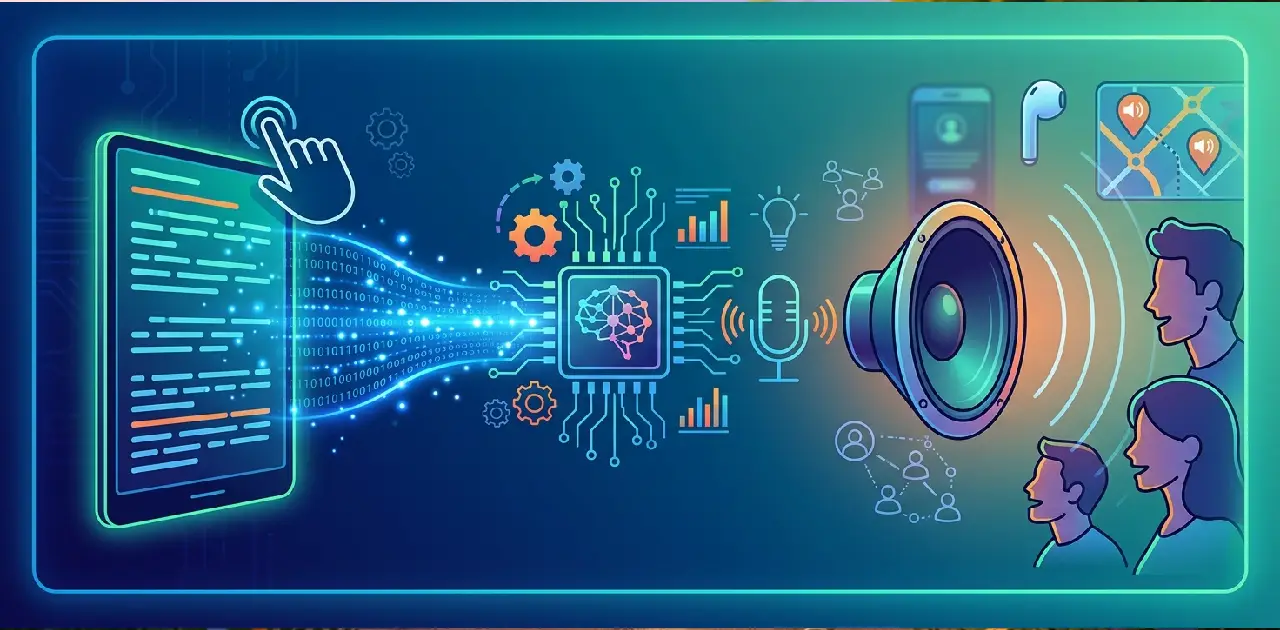
The full form of TTS is Text-To-Speech. It refers to technology that converts written text into spoken audio using a computer or software system.
In simple terms, TTS lets a device “read” text out loud in a natural-sounding voice, instead of you having to read it yourself. This is the most widely recognized meaning of TTS, especially in technology, apps, and AI-related conversations.
Here’s a quick overview before we go deeper:
| Term | Full Form | Common Field |
|---|---|---|
| TTS | Text-To-Speech | Technology, AI, Accessibility |
| TTS (apparel) | True To Size | Clothing and Shopping |
| TTS (finance) | Trader Tax Status | Tax and Trading |
| TTS (medical) | Thrombosis with Thrombocytopenia Syndrome | Healthcare |
| TTS (aviation/logistics) | Transportation Tracking System | Logistics |
TTS Meaning in Technology (Text-To-Speech)
When people search for “TTS full form,” the overwhelming majority are asking about Text-To-Speech — and for good reason, since it’s one of the most widely used tools in modern computing.
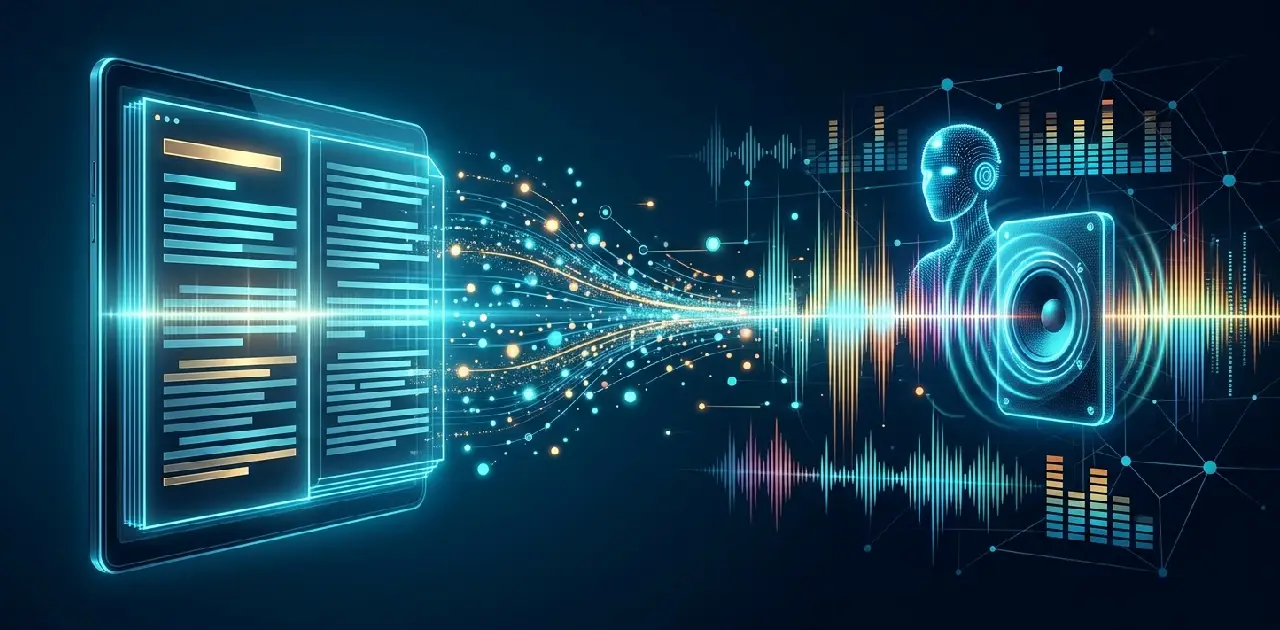
Text-to-speech is a form of speech synthesis that turns written words into audio output. It’s the technology behind:
- Voice assistants like Siri, Alexa, and Google Assistant
- Screen readers used by visually impaired users
- Audiobook narration tools
- Streamers reading chat messages aloud on Twitch and Discord
- Language-learning apps that pronounce words correctly
- Customer service bots and IVR systems
Rather than replaying a pre-recorded human voice, TTS software generates speech in real time based on whatever text it’s given, which is what makes it so flexible.
A Brief History of Text-To-Speech
Text-to-speech technology has been around far longer than most people realize. Early speech synthesis experiments date back to the mid-20th century, but the versions most of us recognize today evolved through several distinct stages:
- Concatenative synthesis (early era) — Systems stitched together small, pre-recorded chunks of human speech to form words and sentences. This method worked but often sounded robotic and choppy.
- Parametric synthesis — A statistical approach that generates speech using mathematical models of vocal characteristics. It was smoother than concatenative methods but still lacked natural emotion and rhythm.
- Neural TTS (modern era) — Deep learning models trained on massive voice datasets now generate speech that closely mimics natural human intonation, pacing, and emotion.
This evolution is a big part of why TTS has gone from a niche accessibility tool to a mainstream feature found in almost every major app and operating system today.
How Does Text-To-Speech Work?
A text-to-speech system typically works in two main stages:
- Linguistic analysis — The system reads the input text, normalizes it (expanding abbreviations, numbers, and symbols), breaks it into phonemes, and predicts natural pauses, tone, and rhythm.
- Speech synthesis — An acoustic model converts that linguistic data into acoustic features, and a vocoder generates the final audio waveform that you actually hear.
Older TTS systems stitched together small recorded speech fragments to build sentences. Modern systems rely on neural TTS, which uses deep learning models trained on massive voice datasets to generate far more natural, human-like speech from scratch.
Is Text-To-Speech the Same as Speech-To-Text?
No — these two terms are often confused, but they do opposite jobs.
| Feature | Text-To-Speech (TTS) | Speech-To-Text (STT) |
|---|---|---|
| Input | Written text | Spoken audio |
| Output | Spoken audio | Written text |
| Also known as | Speech synthesis | Speech recognition |
| Common use | Reading text aloud | Transcribing voice into text |
| Example tool | Voice assistants reading a message | Dictation software types what you say |
In conversational AI, these two technologies typically work together: speech-to-text understands what a user says, and text-to-speech speaks the response back — creating a natural back-and-forth conversation with a machine.
Is TTS Considered Artificial Intelligence?
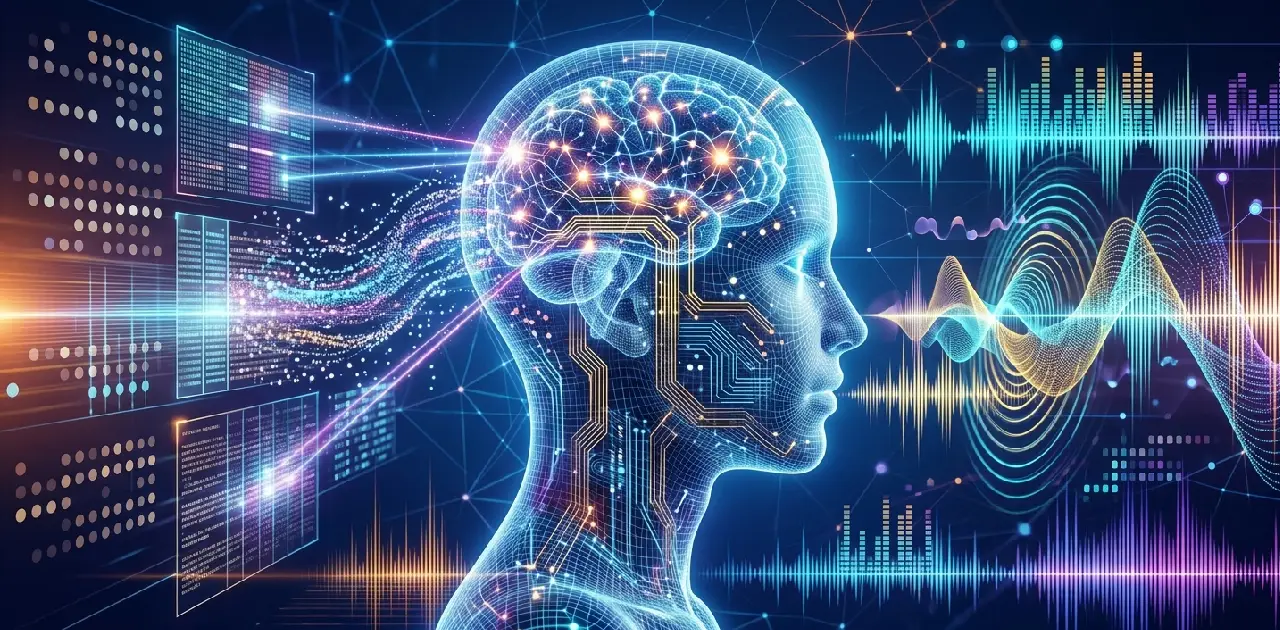
Modern text-to-speech is very much a form of artificial intelligence. Today’s systems use deep neural networks trained on large amounts of speech data to produce voices that sound remarkably natural. Older concatenative and parametric TTS methods weren’t AI in the modern sense — but neural TTS, which is now the industry standard, is a genuine machine learning application.
What Is Neural TTS?
Neural TTS is a more advanced form of text-to-speech that uses deep neural networks to model speech patterns directly, instead of relying on pre-recorded audio clips or older statistical models. It’s the technology responsible for the lifelike, expressive voices you hear in modern apps and AI tools today.
Benefits and Limitations of TTS Technology
Like any technology, text-to-speech comes with clear strengths as well as a few limitations worth knowing about.
| Aspect | Benefit | Limitation |
|---|---|---|
| Accessibility | Helps visually impaired users access written content | May still mispronounce uncommon names or words |
| Speed | Converts text to audio almost instantly | Some emotional nuance can feel slightly artificial |
| Cost | Cheaper than hiring voice actors for every project | High-quality neural voices sometimes require paid subscriptions |
| Availability | Built into most operating systems and browsers | Offline options are often lower quality than cloud-based tools |
| Customization | Offers multiple voices, accents, and speaking speeds | Fine-tuning tone and emphasis can be limited on basic tools |
Despite these limitations, the gap between synthetic and human speech continues to shrink every year as AI voice models improve.
TTS Meaning in Chat, Discord, and Twitch
If you’ve spent time in online gaming communities, you’ve likely seen “TTS” pop up there too — and it means exactly the same thing: text-to-speech.
On platforms like Discord and Twitch, TTS is commonly used as a feature that:
- Reads viewer chat messages aloud during a livestream
- Announces donation or subscription alerts with a synthesized voice
- Converts typed messages into spoken audio within voice channels
- Helps streamers stay engaged with their chat without constantly reading the screen
So whether you’re seeing TTS mentioned in an app setting, a streaming tool, or a chatbot feature, the underlying meaning stays consistent across all these platforms.
Other Common Meanings of TTS
While text-to-speech dominates search results, TTS is genuinely used as an abbreviation in several unrelated fields. Knowing the context you found it in makes all the difference.
TTS in Clothing and Fashion
In shopping and apparel, TTS stands for “True To Size.” You’ll often see this in product reviews or size guides, where a reviewer says a piece of clothing “fits TTS,” meaning it matches the size chart accurately — no need to size up or down.
TTS in Finance and Trading
In the financial world, TTS refers to “Trader Tax Status.” This is a tax classification that some active traders qualify for, which can affect how their trading income and expenses are treated for tax purposes.
TTS in Medical Contexts
In healthcare, TTS stands for “Thrombosis with Thrombocytopenia Syndrome.” This is a rare condition involving blood clotting combined with a low platelet count, and it has gained public attention in connection with certain vaccine safety discussions in recent years.
TTS in Logistics and Transportation
In shipping and logistics, TTS can refer to a “Transportation Tracking System” — software used to monitor shipments, delivery routes, or fleet movement.
TTS in Aviation and Scheduling
Within airline and staff scheduling systems, TTS sometimes refers to internal scheduling or bidding systems used to manage employee shifts and credited work hours.
Quick Comparison: TTS Meanings by Industry
| Industry | Full Form | What It Refers To |
|---|---|---|
| Technology / AI | Text-To-Speech | Converting written text into spoken audio |
| Apparel / Shopping | True To Size | A product that fits according to standard sizing |
| Finance | Trader Tax Status | A tax classification for active traders |
| Healthcare | Thrombosis with Thrombocytopenia Syndrome | A rare blood-clotting disorder |
| Logistics | Transportation Tracking System | Software for tracking shipments and deliveries |
Why TTS Technology Matters Today
Text-to-speech isn’t just a novelty feature anymore — it plays a genuinely important role across several industries:
- Accessibility — TTS gives visually impaired users the ability to access written content through screen readers, making the internet and apps far more usable for everyone.
- Education — Language-learning platforms use TTS to demonstrate correct pronunciation, helping learners hear how words actually sound.
- Content creation — Podcasters, video creators, and marketers use TTS voices to narrate content without needing a professional voice actor.
- Customer service — Automated phone systems and chatbots rely on TTS to deliver spoken responses without a human agent.
- Entertainment — Streamers and gaming communities use TTS to add interactive, spoken elements to live content.
As AI voice models continue to improve, TTS output is becoming harder and harder to distinguish from an actual human voice, which is opening the door to even wider adoption across industries.
Popular TTS Tools and Technologies
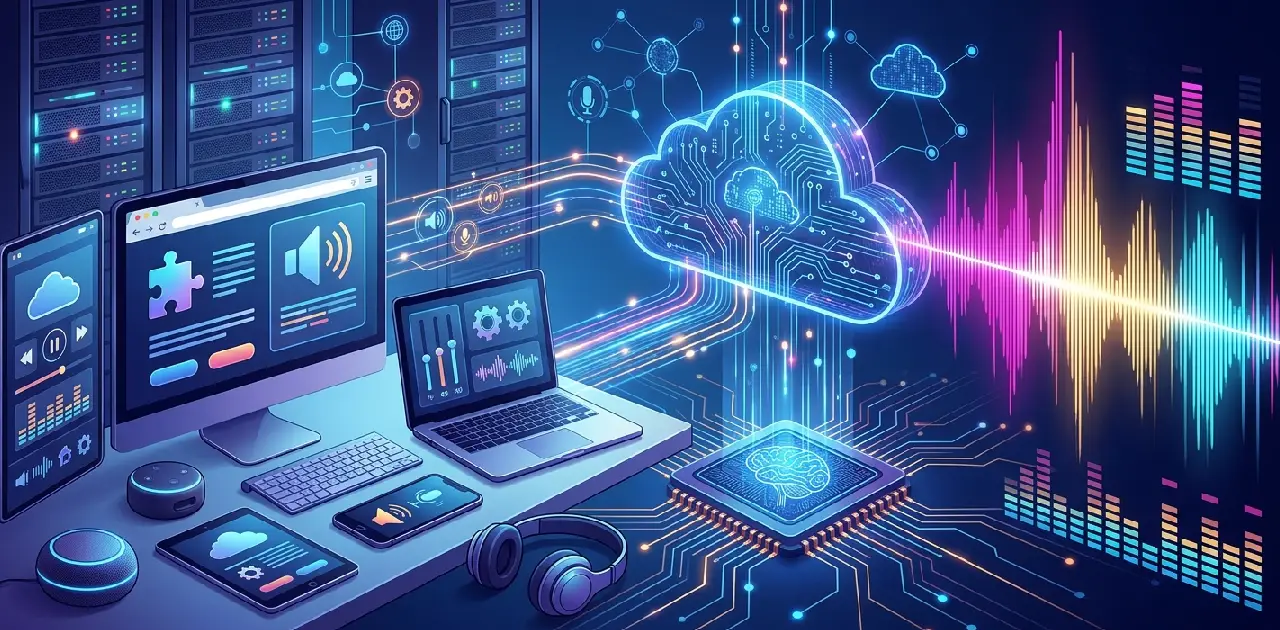
Several well-known platforms and companies offer text-to-speech capabilities, including:
- Voice assistants such as Siri, Google Assistant, and Alexa
- AI voice generators used for content creation and voiceovers
- Operating system tools, like built-in screen readers on Windows and macOS
- Developer APIs, which let programmers add TTS functionality directly into their own apps
- Streaming integrations, which connect TTS features to platforms like Discord and Twitch
Most of these tools now rely on neural TTS models, offering multiple voice options, accents, and even adjustable tone or emotion in the generated speech.
How to Choose the Right TTS Tool
If you’re picking a text-to-speech tool for a project, a few factors are worth comparing before you commit:
- Voice naturalness — Listen to sample audio before choosing, since quality varies significantly between providers.
- Language and accent support — Check whether the tool supports the specific languages or regional accents you need.
- Customization options — Look for controls over speed, pitch, tone, and pauses if you need more expressive output.
- Integration — Confirm whether the tool offers an API or plugin if you plan to build it into an app or workflow.
- Pricing model — Some tools charge per character or per minute of generated audio, so compare costs based on your expected usage.
Taking a few minutes to test different options usually pays off, since the “best” TTS tool often depends heavily on your specific use case.
TTS vs. Human Voice Narration
A common question people ask is whether TTS can fully replace a human narrator. The honest answer is: it depends on the use case.
| Factor | Text-To-Speech | Human Narration |
|---|---|---|
| Cost | Generally cheaper, especially at scale | Typically more expensive per project |
| Speed | Instant generation | Requires recording and editing time |
| Consistency | Identical tone every time | Natural variation between takes |
| Emotional depth | Improving, but still limited | Full emotional range and nuance |
| Best for | Large volumes of content, accessibility, and quick turnarounds | Branding-heavy content, storytelling, high-emotion narration |
For straightforward informational content, TTS is often good enough. For emotionally driven storytelling or branded content, many creators still prefer a human voice.
Common Questions Around TTS Explained
Because TTS shows up in so many unrelated contexts, a lot of confusion comes from people applying the wrong meaning to the wrong situation. A message about “TTS” in a coding forum almost certainly means text-to-speech, while the same term in a clothing review means something about sizing.
The safest approach is always to look at the surrounding context first:
- Tech, apps, or AI discussion → Text-To-Speech
- Online shopping or reviews → True To Size
- Trading or tax forums → Trader Tax Status
- Health or medical news → Thrombosis with Thrombocytopenia Syndrome
- Shipping or delivery systems → Transportation Tracking System
The Future of TTS Technology

Text-to-speech is advancing quickly, and a few trends are shaping where it’s headed next:
- Emotionally expressive voices that adjust tone based on context, not just flat narration
- Voice cloning allows a synthetic voice to closely match a specific person’s real voice
- Real-time multilingual translation paired with TTS for instant spoken translation
- Better prosody and pacing, making pauses and emphasis sound more naturally human
- Wider accessibility integration, embedding TTS more deeply into everyday apps, websites, and devices by default
As these improvements continue, the line between synthetic and human speech will likely keep getting harder to detect.
Conclusion
The full form of TTS depends entirely on where you encounter it, but in the vast majority of everyday and technology-related situations, TTS means Text-To-Speech — the technology that converts written words into natural-sounding spoken audio. It powers everything from voice assistants and screen readers to streaming chat features and AI-generated voiceovers.
Outside the tech world, though, the same three letters can mean something completely different, whether that’s a clothing fit, a tax classification, or a medical condition. Understanding the context you found TTS is the fastest way to know exactly what it means.
FAQs
What is the full form of TTS?
TTS stands for Text-To-Speech, a technology that converts written text into spoken audio.
Is TTS the same as speech-to-text?
No, TTS converts text into speech, while speech-to-text does the opposite by turning spoken audio into written text.
What does TTS mean on Discord or Twitch?
On these platforms, TTS still means text-to-speech and is used to read chat messages or alerts aloud.
What does TTS mean in clothing sizes?
In apparel, TTS means “True To Size,” meaning the item fits according to the standard size chart.
Is text-to-speech considered artificial intelligence?
Yes, modern text-to-speech uses neural networks and machine learning to generate natural-sounding voices.
What does TTS mean in finance?
In finance, TTS refers to “Trader Tax Status,” a tax classification for qualifying active traders.
Can text-to-speech sound like a real human voice?
Yes, modern neural TTS voices can sound very close to natural human speech, though subtle differences can still be noticeable.
Is TTS free to use?
Many basic TTS tools are free, including built-in screen readers, while advanced neural voices often require a paid subscription.
Leave a Reply