DTF Meaning in Chat: What It Really Means & How to Reply
You’re scrolling through a group chat or a dating app message, and there it is — three letters that stop you mid-scroll: DTF. Maybe a friend sent it as a joke. Maybe a match on a dating app dropped out of nowhere. Either way, you’re left staring at your screen, wondering what you just walked into.
You’re not alone. Thousands of people search for the meaning of DTF in chat every single day, and for good reason — this is one of those slang terms that everyone seems to recognize, but almost nobody explains clearly.
This guide breaks it down in plain language: what DTF actually stands for, where the term came from, how it shows up across different apps and platforms, and — most importantly — how to respond if it lands in your inbox.
Internet slang moves fast, and abbreviations rarely come with a built-in dictionary. One moment you’re texting normally, and the next you’re Googling three letters mid-conversation because you don’t want to reply the wrong way. That’s the exact situation this guide is here to solve.
DTF Meaning in Chat: What Does It Mean?
In modern texting and online chat, DTF stands for “Down To F*.”** It’s blunt internet slang used to say — or ask — whether someone is open to a casual physical hookup, with no strings attached.
It isn’t subtle. Unlike softer flirty phrases, DTF is a direct way of signaling sexual interest, and it’s almost always used between adults who already understand internet and dating-app culture.
A few quick facts to frame it:
- It’s an adult slang term, not appropriate for professional, academic, or family conversations.
- It’s most common on dating apps, Snapchat, Instagram DMs, and casual group chats.
- The tone can range from playful and joking to completely serious, depending on who sends it.
- Context always matters — the same three letters can mean something very different coming from a close friend versus a stranger on a dating app.
Why People Search for the DTF Meaning So Often
A few patterns show up again and again in why people look this term up:
- They received it unexpectedly from someone on a dating app and want to make sure they’re reading it correctly before replying.
- A friend used it as a joke, and they want to understand the reference before responding in kind.
- They saw it in a meme or comment section and were curious about where it actually came from.
- English isn’t their first language, and the abbreviation gave no obvious clues about its meaning.
Whatever the reason, the confusion is common — and understandable, since slang like this spreads through culture long before it ever gets explained anywhere official.
Where Did DTF Come From?
Slang doesn’t appear out of thin air, and DTF has a pretty traceable history.
The abbreviation started gaining traction in the early 2000s, during the rise of internet forums, early chat rooms, and online dating sites. Back then, people were already shortening phrases to type faster, and blunt sexual slang fit right into that culture.
The term picked up serious mainstream momentum thanks to a mix of:
- Reality TV and pop culture references that normalized direct hookup language.
- Early internet memes spread the phrase far beyond the forums where it started.
- The explosion of dating apps in the 2010s gave the term a permanent home in swipe-culture vocabulary.
- Music and celebrity culture, where the phrase was referenced often enough to cement it in everyday slang.
By the time smartphones and dating apps like Tinder became mainstream, DTF had already cemented itself as one of the most recognized hookup-related abbreviations online — right alongside terms like NSA and FWB.
How the Meaning Has Evolved Over Time
Slang rarely stays frozen. While the core meaning of DTF hasn’t changed much since it first appeared, the way people use it has shifted with each new generation of internet culture:
- Early 2000s: Mostly confined to forums, chat rooms, and early dating sites where anonymity made bold language more common.
- Mid-2000s to 2010s: Picked up by mainstream pop culture and reality television, which pushed it into everyday conversation.
- 2010s dating-app boom: Became a fixture of swipe-culture vocabulary, often used as an opening line or bio reference.
- Today: Used both literally and jokingly, with younger internet users frequently repurposing it for humor rather than a genuine proposition.
This evolution is part of why context now matters more than ever — the same term that once had one clear meaning is now used in far more varied and sometimes lighthearted ways.
How DTF Is Used Across Different Platforms
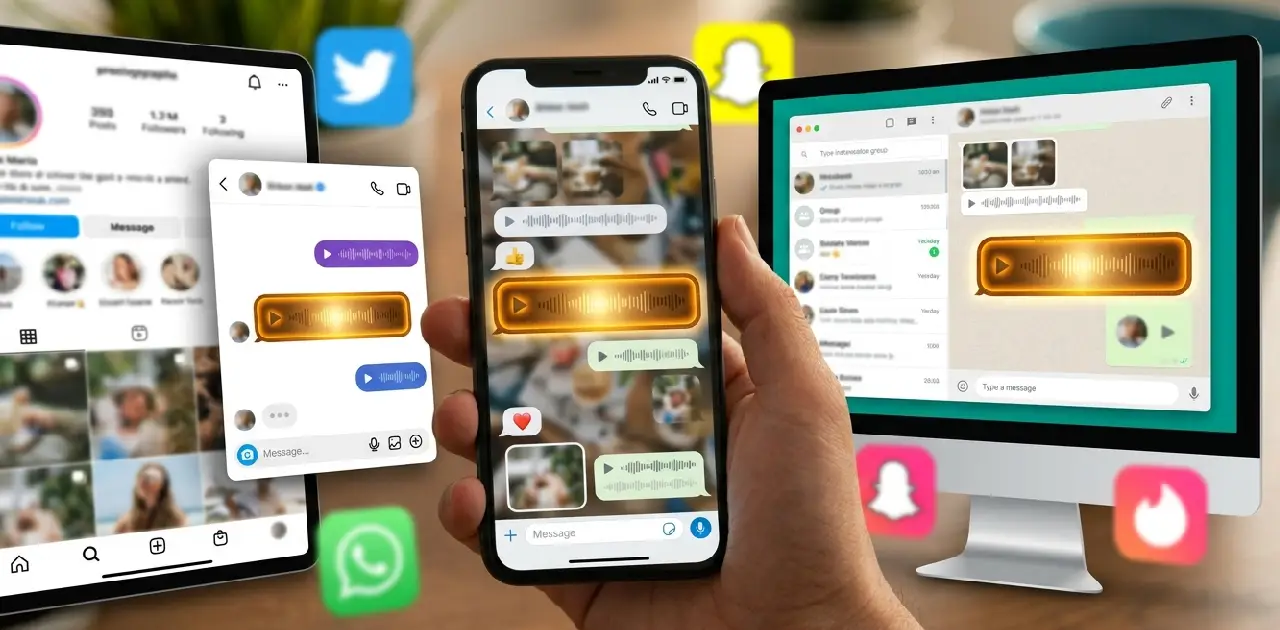
DTF doesn’t behave the same way everywhere. The platform it appears on often shapes what it actually implies.
| Platform | How DTF Is Typically Used |
|---|---|
| Dating apps (Tinder, Bumble, Hinge) | Used directly to signal interest in a casual hookup rather than a relationship |
| Snapchat | Common in private snaps or chats, often between people who already know each other |
| Instagram DMs | Used casually or flirtatiously, sometimes as an opener from a stranger |
| Group chats (friends) | Frequently used as a joke or teasing reference, not always literal |
| Twitter/X | Often used in memes or jokes rather than as a direct message to someone |
| TikTok comments | Mostly used humorously, referencing the slang rather than literally asking someone |
The key takeaway: the same abbreviation can be a genuine question, a joke, or just internet humor — and figuring out which one it is depends entirely on who sent it and where.
DTF and Generational Differences
Not everyone reads this term the same way, and age or online experience plays a bigger role than most people realize.
| Group | Typical Familiarity with DTF | Common Reaction |
|---|---|---|
| Gen Z (born late 1990s–2010s) | Very high; grown up with the term | Often uses it casually or jokingly |
| Millennials | High; witnessed its rise through dating apps | Uses it knowingly, often more literally |
| Gen X and older | Lower; may not recognize it at all | Often confused or unaware of its meaning |
| Non-native English speakers | Varies widely | Frequently searches for the meaning before responding |
This gap explains why the same message can land completely differently depending on who receives it. A joke between two 22-year-olds in a group chat can look like a serious proposition to someone unfamiliar with internet slang — which is exactly why misunderstandings happen so often.
Is DTF Always About Sex?
Not always — although that is by far its most common meaning. A few situations where DTF gets used loosely or jokingly include:
- Sarcastic substitutions — friends sometimes swap the last word for something silly, like “Down To Food,” purely as a joke.
- Meme culture — the phrase gets referenced in captions or comments without anyone actually asking or offering anything.
- Testing the waters — some people use it as a low-effort way to gauge interest before being more direct.
That said, if someone sends you DTF without any obvious joke setup, it’s safest to assume they mean it in the original, literal sense.
Other Meanings of DTF (Outside of Slang)
Here’s something a lot of people don’t realize: DTF has completely different meanings outside of texting and dating. If you’ve seen the term used in a business, printing, or technical context, it has nothing to do with slang.
| Context | What DTF Stands For | Meaning |
|---|---|---|
| Texting / Chat / Dating Apps | Down To F*** | Slang for being open to a casual hookup |
| Printing / Apparel Industry | Direct To Film | A printing method used for transferring designs onto fabric |
| Finance / Business | Designated Trading Firm | Refers to certain trading entities in financial markets |
| Gaming | Down To Fight | Occasionally used to ask if someone wants to duel or compete |
| General Internet Use | Down To Fly / Down To Follow | Rare, informal alternatives seen mostly as jokes |
This is exactly why context matters so much. If a coworker mentions “DTF printing” in a work chat about custom T-shirts, they are absolutely not using the slang version — they’re talking about a legitimate printing process.
Is It Okay to Use DTF in a Conversation?
This depends heavily on who you’re talking to and the setting.
Generally acceptable:
- Between consenting adults who already understand what it means
- In casual, private conversations where both people are comfortable with adult humor or topics
- As a lighthearted joke among close friends who know the context
Best avoided:
- In professional settings, job-related chats, or with coworkers
- With people you’ve just met online, especially without knowing their comfort level
- In messages to someone significantly younger or in any situation involving minors
- When you’re unsure whether the other person will understand the tone you intend
If you want to express interest without the bluntness of DTF, softer alternatives work just as well:
- “Are you free tonight?”
- “Want to hang out?”
- “I’m interested. Are you?”
These get a similar point across without the same directness — useful if you’re not sure how the other person will take it.
How to Respond If Someone Sends You DTF
Getting this message can feel sudden, especially if you weren’t expecting it. Here’s how to handle it depending on how you feel:
If You’re Interested
Be just as direct back. A simple “yeah, I’m down,” or similar reply keeps the conversation moving without overcomplicating it.
If You’re Not Interested
You don’t owe a long explanation. A polite but clear response works best:
- “Not really my thing, but thanks for asking.”
- “I’ll pass, but no hard feelings.”
- “Not looking for that right now.”
If You’re Unsure or Uncomfortable
It’s completely fine to ask for clarity or simply not respond right away. You’re never obligated to reply immediately, and taking time to think it over is a normal, healthy response.
If It Came From a Stranger
Trust your instincts. If a message like this comes from someone you don’t know well — especially unprompted — it’s okay to ignore it, block the sender, or report the account if it feels inappropriate.
Real Chat Examples
Seeing DTF in context often makes the meaning click faster than a definition alone. Here are a few realistic examples:
Example 1 — Dating App
Person A: Hey, you seem cool. DTF tonight? Person B: Haha, straightforward much? I’m actually just looking for something casual to chat about first.
Example 2 — Friend Group Chat (joking)
Friend 1: Pizza tonight? Friend 2: Always DTF (down to food) 😂
Example 3 — Direct Message
Person A: You free later? Kind of DTF ngl Person B: I’m good, but thanks for being upfront.
These examples highlight exactly how tone and platform shape whether DTF is meant seriously or as a joke.
Related Slang Terms You Should Know
Since DTF often shows up alongside other hookup-culture abbreviations, it helps to recognize a few related terms:
| Slang | Meaning |
|---|---|
| NSA | No Strings Attached — casual arrangement with no commitment |
| FWB | Friends With Benefits — a casual physical relationship between friends |
| WYD | What You Doing — often used as a casual opener |
| NETFLIX & CHILL | Coded phrase implying a casual hookup under the guise of watching a show |
| HMU | Hit Me Up — asking someone to reach out or reconnect |
Knowing these terms helps you read the tone of a conversation faster and avoid misreading someone’s intent.
Common Mistakes People Make with DTF
Even people who know what DTF means can still misuse or misread it. A few frequent mistakes worth avoiding:
- Assuming it’s always a joke. Not everyone who sends it is kidding — take the context of the conversation seriously before assuming otherwise.
- Using it with someone you just matched with. Leading with DTF as an opening line on a dating app often comes across as disrespectful rather than confident.
- Sending it in the wrong setting. Work chats, family group threads, and public comments are not the place for this kind of slang, even as a joke.
- Ignoring tone cues. Punctuation, emojis, and prior conversation history usually reveal whether someone is being playful or serious — skipping that context leads to awkward replies.
- Assuming everyone knows what it means. Not every reader or recipient is fluent in internet slang, so clarity matters more than cleverness in unfamiliar conversations.
Avoiding these missteps makes conversations smoother, whether you’re the one sending the message or replying to it.
DTF in Memes and Pop Culture
Beyond one-on-one chats, DTF has taken on a life of its own in wider internet culture. It regularly shows up in:
- Meme captions poking fun at dating-app culture and blunt pickup lines
- Comment sections as a joke reaction to unrelated posts
- Song lyrics and pop culture references that helped cement it in mainstream vocabulary
- TV and movie dialogue referencing hookup culture in a comedic way
This constant reuse in pop culture is part of why the term refuses to fade — every time it resurfaces in a meme or show, a new wave of people encounters it and searches for what it actually means.
Why This Slang Confuses So Many People
DTF trips people up for a few understandable reasons:
- It looks harmless — three random letters don’t seem alarming until you know what they stand for.
- Non-native English speakers often encounter it without any context clues.
- Older generations or newer internet users may not have grown up around dating-app slang.
- Multiple meanings exist, so someone searching casually might land on the wrong definition entirely (like the printing industry term).
If you’ve ever felt behind on internet slang, you’re genuinely not alone — abbreviations like this spread fast and rarely come with an explanation attached.
Quick Recap: DTF at a Glance
- Full meaning: Down To F*** (slang for being open to a casual hookup)
- Where it’s used: Dating apps, Snapchat, Instagram DMs, casual group chats
- Tone: Direct, informal, adult
- Best used: Between consenting adults who already understand the term
- Avoid using it: In professional settings or with people you don’t know well
- Other meanings: Direct To Film (printing), Designated Trading Firm (finance)
Conclusion
DTF is one of those slang terms that seem confusing at first but become easy to read once you understand the context behind it. In most chats, DMs, and dating apps, it means someone is signaling openness to a casual hookup — nothing more complicated than that. Outside of texting culture, though, the same three letters can mean something completely different, from a printing process to a finance term.
The real skill isn’t memorizing the definition — it’s reading the room. Who sent it, where the conversation is happening, and the tone leading up to it will almost always tell you everything you need to know about how to respond.
FAQs
What does DTF mean in a text message?
DTF stands for “Down To F***,” a slang term used to express or ask about interest in a casual hookup.
Is DTF only used on dating apps?
No, it’s also common on Snapchat, Instagram DMs, and casual friend group chats, though its tone can vary by platform.
Does DTF always mean something sexual?
Usually, yes — but it’s sometimes used jokingly among friends with a harmless twist, like “Down To Food.”
Is it rude to ignore a DTF message?
Not at all. You’re never obligated to respond, especially if the message came from someone you don’t know well.
What’s a polite way to say no to DTF?
A simple, direct reply like “I’ll pass, but thanks for asking” works well without sounding harsh.
Does DTF mean something different outside of texting?
Yes, it can also stand for “Direct To Film” in printing or “Designated Trading Firm” in finance, depending on context.
Leave a Reply