
SMH Full Form: What It Means and How to Use It the Right Way
You’re scrolling through a comment section or a group chat, and someone replies with just three letters: “smh.”
No explanation, no punctuation, just a quiet little acronym doing a lot of emotional heavy lifting. If you’ve ever paused to wonder exactly what it means, or whether it’s meant to sound harsh, you’re definitely not the only one searching for an answer.
This guide breaks down the full form of SMH, where it came from, how tone shapes its meaning, and how to use it naturally without accidentally coming across the wrong way.
SMH Full Form: What Does It Stand For?
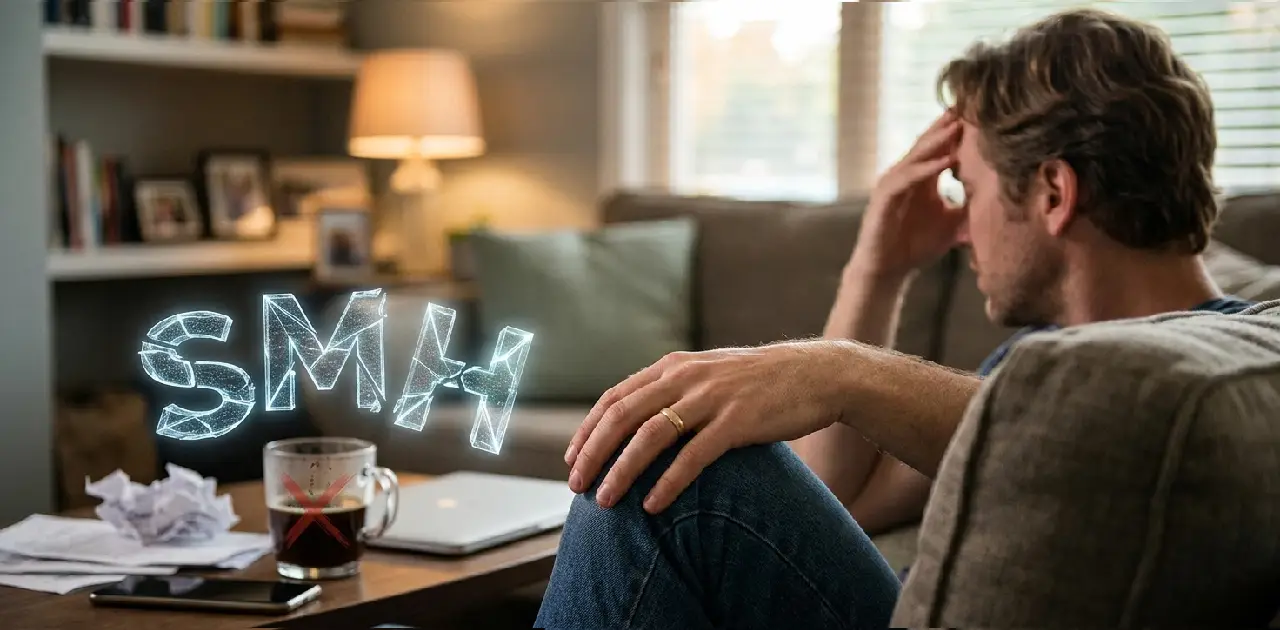
SMH stands for “shaking my head.” It’s used to express disbelief, frustration, disappointment, or disapproval about something, often when words alone don’t quite capture the reaction.
Instead of typing out a full sentence explaining how ridiculous or frustrating a situation is, people simply type SMH to represent the physical gesture of shaking their head.
A closely related variant, SMDH, stands for “shaking my damn head.” It carries the same basic meaning as SMH, just with a bit more emphasis and frustration behind it.
Here’s a simple example of how SMH shows up in an everyday conversation:
“Traffic added an extra hour to my commute again. Smh.”smh full form
In that sentence, SMH is standing in for the eye-roll or head shake someone might do in person when venting about something mildly maddening.
Where Did SMH Come From?
SMH has been around longer than many people assume. Early records of the abbreviation trace back to online forums and Usenet newsgroups in the 1990s, where users were already experimenting with shorthand ways to express reactions in text, long before texting on phones was even common.
It followed the same basic pattern as other early internet abbreviations like LOL, which gave readers a quick, gesture-based reaction instead of a full sentence.
As instant messaging and texting grew throughout the 2000s and 2010s, SMH carried over naturally into everyday digital communication. It became especially popular on social media platforms, where quick reactions to posts, tweets, and comments are the norm.
Today, SMH shows up constantly across Twitter/X, Instagram, TikTok, and text messages, especially in response to something frustrating, disappointing, or hard to believe.
Why SMH Works So Well as a Reaction
Part of what makes SMH so enduring is that it does something a plain sentence often can’t: it recreates a physical gesture in text form. Shaking your head is a nearly universal way to express disapproval or disbelief without saying a word, and SMH captures that same wordless quality in just three letters.
This matters more than it might seem. Text-based communication naturally strips away tone of voice, facial expressions, and body language, all things that usually help convey exactly how someone feels.
Abbreviations like SMH, much like LOL or SIGH, give people a shortcut back to that missing physical expressiveness. Instead of writing “I can’t believe this” or “this is so frustrating,” SMH lets the reader picture the actual gesture, which often communicates the feeling more efficiently than a full sentence would.
This is also why SMH pairs so naturally with a short piece of context rather than standing entirely alone. A bare “smh” with nothing else can occasionally feel ambiguous, but “smh” following a specific complaint or piece of news immediately makes the reaction clear.
How SMH Is Used in Different Situations
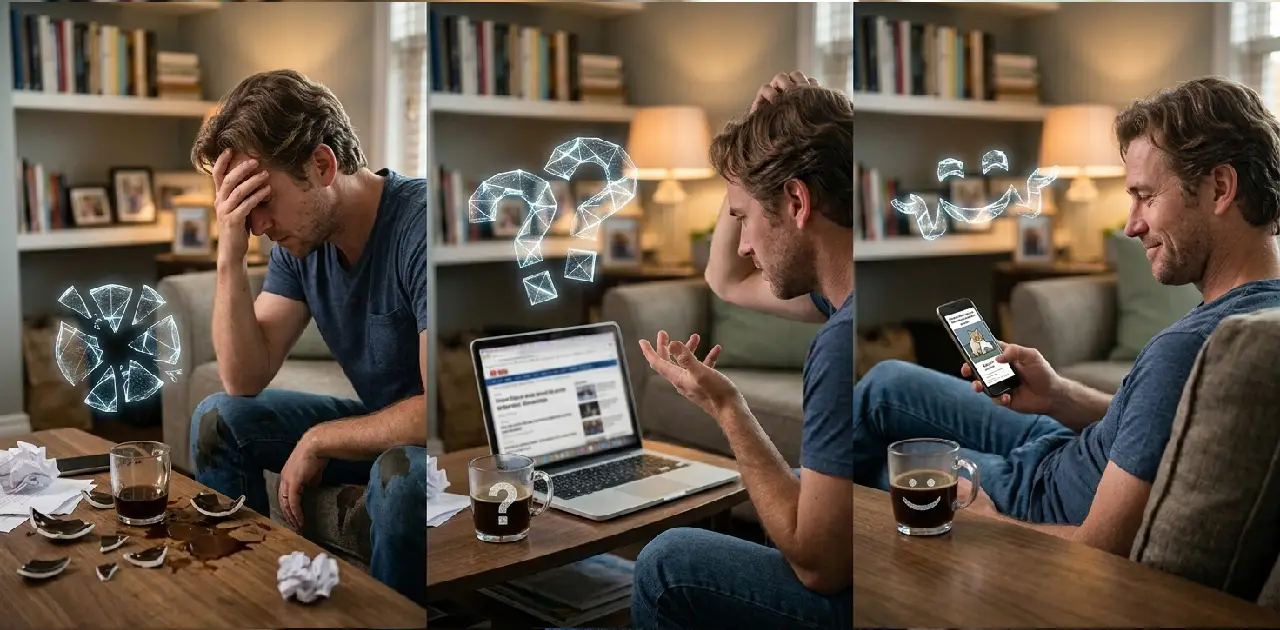
SMH isn’t a one-note phrase. Depending on the context, it can express a few slightly different shades of the same general feeling.
SMH to Express Disbelief
This is one of the most common uses. Someone shares information that seems shocking, unbelievable, or hard to process, and SMH captures that reaction in a single beat.
Example:
“They raised the ticket prices again. Smh.”
SMH to Express Frustration
SMH often shows up when someone is venting about something mildly annoying, especially in situations that feel avoidable or repetitive.
Example:
“Forgot my charger again. Smh at myself.”
SMH to Express Disappointment
Sometimes SMH is used when someone or something falls short of expectations, without necessarily being shocking or infuriating.
Example:
“The sequel wasn’t nearly as good as the first movie. Smh.”
SMH Used Playfully
Among friends, SMH is often used in a lighthearted, joking way, closer to a fond eye-roll than genuine frustration.
Example:
“You put pineapple on pizza? Smh, we can’t be friends anymore lol.”
SMH vs. SMDH and Other Variants
A few close variants of SMH exist, each adding a slightly different level of intensity to the same core meaning.smh full form
| Term | Full Meaning | Tone |
|---|---|---|
| SMH | Shaking my head | Standard disbelief, frustration, or disappointment |
| SMDH | Shaking my damn head | Same meaning as SMH, with added emphasis |
| SMHTBH | Shaking my head, to be honest | Adds a layer of blunt honesty to the reaction |
| SMFH | Shaking my f***ing head | A stronger, more explicit version of SMDH |
While SMH is appropriate for nearly any casual conversation, the more intense variants tend to show up in situations involving genuine anger or stronger frustration and are generally reserved for closer relationships where that tone feels appropriate.
Is SMH Rude or Disrespectful?
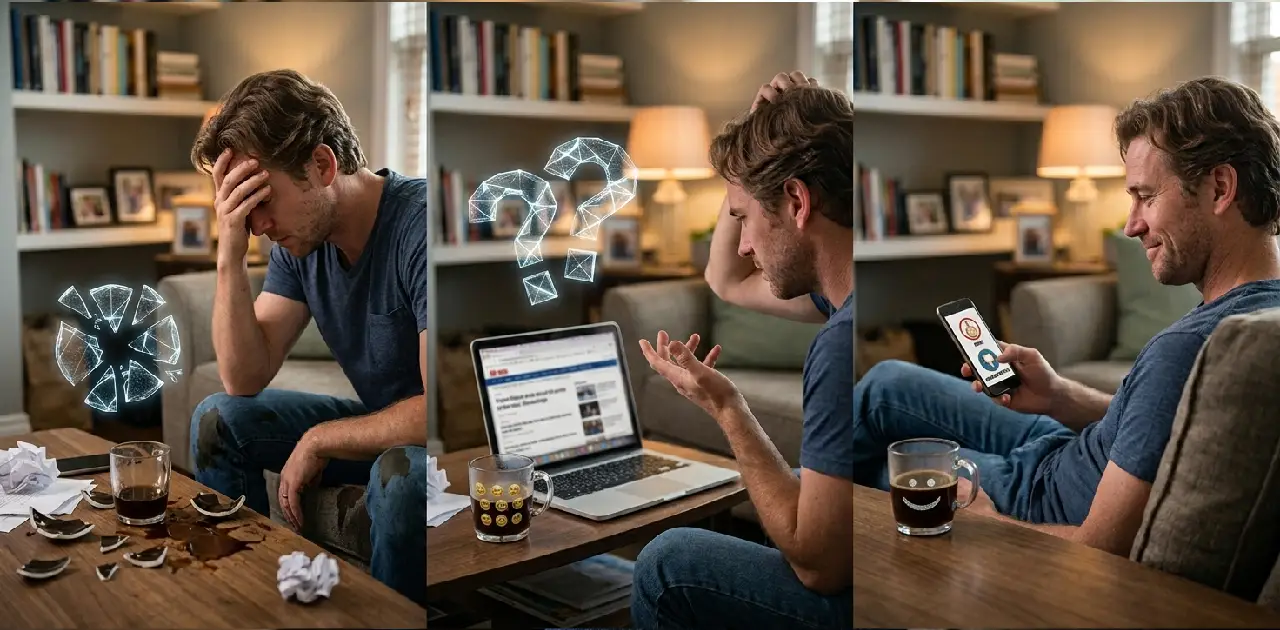
Whether SMH comes across as rude depends heavily on what it’s directed at. Used in response to a frustrating situation, a piece of surprising news, or your own mistake, SMH is completely normal and not disrespectful at all.
It gets trickier when SMH is used about another person’s actions, especially someone the recipient knows. In that context, it can read as judgmental or gossipy, since it signals disapproval of someone who isn’t part of the conversation.
For example, texting a friend “smh” about a mutual friend’s behavior carries a very different weight than texting “smh” about a delayed flight.
A simple way to think about it: SMH aimed at a situation is almost always fine. SMH aimed at a specific person, especially someone not present in the conversation, is worth using more carefully.
How to Respond to SMH
The right response to SMH depends on what triggered it. Here’s a quick guide for common situations.
| Situation | Suggested Response |
|---|---|
| Frustration over a situation (“traffic again, smh”) | Ugh, that’s the worst. Hope it gets better |
| Disbelief over surprising news (“prices went up again, smh”) | Wait, seriously? That’s wild |
| Self-directed frustration (“forgot my charger, smh”) | Lol happens to the best of us |
| Playful teasing (“pineapple on pizza, smh”) | Respond in kind with a joke or light defense |
| SMH about another person | Respond carefully, especially if you don’t want to seem like you’re gossiping too |
Matching the tone of the response to the situation helps keep the conversation feeling natural rather than mismatched.
SMH Across Different Platforms
While SMH means the same thing everywhere, how often it’s used and in what tone can shift slightly depending on the platform.
| Platform | Common Usage |
|---|---|
| Texting (SMS/iMessage) | Casual venting between friends or family about everyday frustrations |
| Twitter/X | Frequently used to react to news, viral posts, or public statements |
| Common in comments and captions, often paired with a relatable or funny post | |
| TikTok | Used in comments reacting to surprising, frustrating, or cringe-worthy videos |
| Reddit and forums | Used to express disbelief or disapproval within a broader discussion thread |
On platforms like Twitter/X, SMH often shows up in response to news stories or public commentary, functioning almost like a quick, wordless op-ed. On more personal platforms like texting, it tends to stay closer to everyday, low-stakes venting.
SMH vs. Similar Slang Terms
SMH belongs to a small family of reaction-based abbreviations that all express some version of frustration or disbelief, but each carries a slightly different tone.
| Term | Meaning | How It Differs From SMH |
|---|---|---|
| FML | F my life | Much more dramatic, often used for genuinely bad personal situations |
| WTF | What the f*** | Expresses shock or confusion, often more intense than SMH |
| UGH | Expresses frustration or annoyance | A simple sound-based expression, without the head-shaking gesture |
| LOL | Laugh out loud | Expresses amusement rather than disapproval or disbelief |
| SIGH | Expresses resignation or mild disappointment | Softer and quieter in tone compared to SMH |
SMH tends to sit in a middle ground: stronger than a simple sigh, but generally less intense than FML or WTF. That balance is part of why it works so well as an everyday reaction to life’s smaller frustrations.
When to Avoid Using SMH
While SMH fits naturally into casual digital conversations, a few situations call for leaving it out.
- Professional emails and workplace messages. SMH is far too informal for business communication, even in mildly frustrating situations.
- Conversations with people unfamiliar with texting slang. Not everyone recognizes the abbreviation, which can create confusion instead of clarity.
- Sensitive or emotionally serious conversations. Using SMH in response to someone sharing something genuinely upsetting can come across as dismissive rather than sympathetic.
- When talking about someone not present in the conversation. As mentioned earlier, this usage can easily be read as gossip or judgment.smh full form
In these situations, a more direct sentence usually communicates the reaction more clearly and appropriately.
Common Mistakes People Make With SMH
Even a simple abbreviation like SMH can cause small misunderstandings if used carelessly.
- Using it about a specific person without thinking it through. This is the most common way SMH accidentally comes across as judgmental or gossipy.
- Overusing it in every message. Attaching SMH to nearly everything can dilute its impact and make every reaction feel the same.
- Using it in professional contexts. SMH has no place in formal writing, no matter how frustrating the situation feels.
- Assuming it always signals genuine anger. In many cases, SMH is lighthearted or even affectionate, especially among close friends.
- Forgetting that tone doesn’t always translate. Without additional context, a bare “smh” can be read as more serious or harsh than intended.
Keeping these small details in mind helps SMH land the way it’s meant to: expressive, quick, and easy to understand.
Examples of SMH in Real Conversations
Seeing SMH in a variety of everyday situations makes its flexibility easier to understand.
Example 1 – Frustration over a situation
“The Wi-Fi went out again in the middle of my meeting. Smh.”
Example 2 – Disbelief over news
“They’re charging extra for that now? Smh, when does it end.”
Example 3 – Self-directed
“Left my umbrella at home on the one rainy day this week. Smh at myself.”
Example 4 – Playful teasing among friends
“You still haven’t watched that show? Smh, we need to fix that this weekend.”
Example 5 – Social media reaction
“Smh, can’t believe this is still happening in 2026.”
Each of these examples uses the same three letters, but the emotional weight shifts depending on what’s happening around it, just like similar shorthand expressions in casual texting.
SMH in Memes and Pop Culture
Beyond everyday texting, SMH has become a recognizable fixture in memes and viral social media content. It’s common to see the abbreviation paired with an exaggerated photo or video clip of someone visibly shaking their head, rolling their eyes, or holding their face in disbelief.smh full form
This meme usage has helped reinforce SMH as an instantly recognizable tone marker, one that many people understand at a glance even before reading the surrounding text.
Public figures, athletes, and influencers have also helped keep SMH in constant circulation, frequently dropping it into social media posts and captions when reacting to frustrating news, unexpected outcomes, or moments that seem to speak for themselves.
That widespread, casual use across public platforms is part of why SMH has remained one of the most recognizable pieces of internet shorthand for decades, rather than fading out the way some older slang eventually does.
Who Typically Uses SMH?
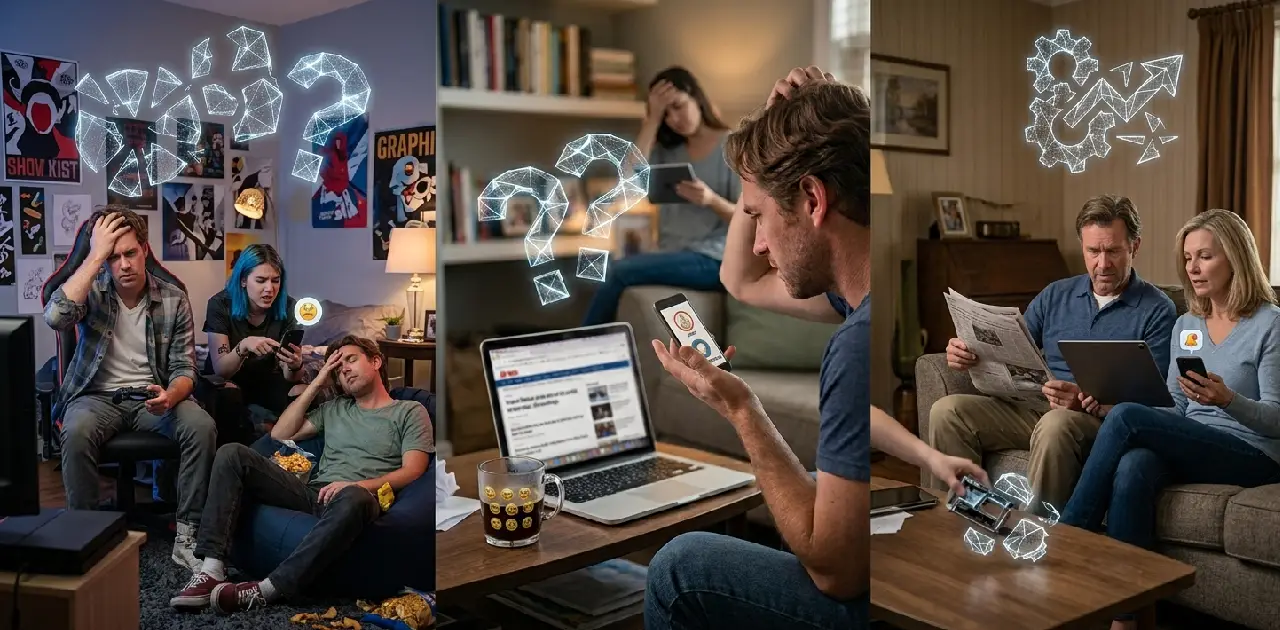
SMH is used across a wide range of ages, but its popularity and frequency do shift somewhat by generation.
| Generation | Familiarity With SMH | Typical Usage |
|---|---|---|
| Gen Z | Very high | Frequent use in texting, social media captions, and comments |
| Millennials | Very high | Grew up alongside the term’s rise in early social media and texting |
| Gen X | Moderate | Recognizes and occasionally uses it, especially on social media |
| Baby Boomers | Lower, but growing | Increasingly familiar with it through family texting and social platforms |
smh full form Unlike some newer slang terms that skew heavily toward younger users, SMH has been around long enough that it’s understood across a much wider age range, making it one of the more universally recognized pieces of internet shorthand still in everyday use.
Final Thoughts
SMH stands for “shaking my head,” a simple but expressive way to communicate disbelief, frustration, or disappointment without typing out a full explanation.
Its meaning has stayed remarkably consistent since its early days in online forums, even as it spread across texting, social media, and everyday digital conversation.
Whether you’re venting about a frustrating commute, reacting to surprising news, or teasing a friend, SMH captures that universal head-shake moment in just three letters.smh full form
Understanding the context behind it, and being mindful of when it might come across as more pointed than intended, makes it easy to use naturally in almost any casual conversation.smh full form
Frequently Asked Questions
What is the full form of SMH?
SMH stands for “shaking my head” used to express disbelief, frustration, or disappointment in texts and online conversations.smh full form
What does SMDH mean compared to SMH?
SMDH stands for “shaking my damn head,” carrying the same meaning as SMH but with added emphasis and frustration.smh full form
Is SMH considered rude?
smh full form It depends on context. SMH about a situation is generally fine, but using it about a specific person can come across as judgmental or gossipy.
Can SMH be used in a playful way?
Yes, among friends, SMH is often used lightheartedly, similar to a fond eye-roll rather than genuine anger.
Should I use SMH in professional messages?
No, SMH is casual slang and isn’t appropriate for emails, workplace chats, or any formal communication.smh full form
Where did SMH originate?
SMH dates back to online forums and Usenet newsgroups in the 1990s, following the same shorthand pattern as early abbreviations like LOL.smh full form
What’s the difference between SMH and WTF?
SMH generally expresses disbelief or mild frustration, while WTF conveys stronger shock or confusion
How should I respond to someone who texts me “smh”?
Match their tone, a sympathetic reply works for frustration, while a joke or light response fits playful uses of the term.smh full form
Is SMH appropriate to use with older family members?
Generally, yes, since SMH has been around long enough that it’s widely recognized across generations, though spelling it out is still safer in more formal exchanges.smh full form
Does SMH always mean someone is angry?
No, it often expresses mild frustration, disbelief, or playful teasing rather than genuine anger, so context matters more than the abbreviation itself.smh full form
Leave a Reply