

WTV Meaning in Text: What It Really Means and How to Read the Tone
You open a text and see a single reply: “wtv.” No punctuation, no explanation, just three letters. Is the other person annoyed? Bored? Totally fine with whatever you decide? That short, ambiguous reply is exactly why so many people search for what WTV actually means before they respond.
This guide breaks down the real meaning behind WTV, where it came from, how tone completely changes what it’s communicating, and how to reply depending on the situation. By the end, you’ll never have to guess what someone meant by it again.
Why So Many People Search for “WTV Meaning in Text”
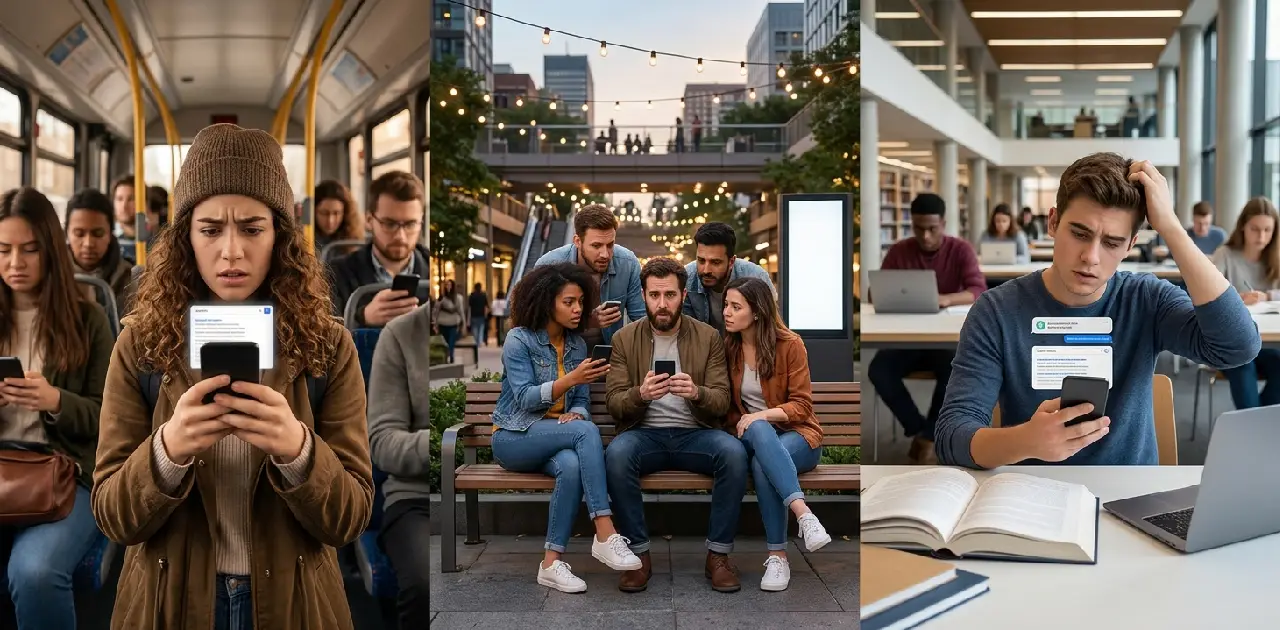
WTV is one of the most searched texting abbreviations for a simple reason: it’s genuinely ambiguous. Unlike an abbreviation with one fixed meaning, WTV can shift from friendly to frustrated to distant, all without changing spelling.
That uncertainty leaves a lot of people staring at their phone, replaying the conversation in their head, and trying to figure out exactly what the other person meant.
This kind of confusion tends to spike around a few specific moments: right after a disagreement, during dating conversations where every message feels like it carries extra meaning, and in group chats where a quick decision needs to be made.
In all of these situations, a single word carrying multiple possible meanings creates just enough uncertainty to send someone searching for a clear answer.
What Does WTV Mean?
WTV stands for “whatever.” It’s a shorthand used in texting and online chat to express indifference, agreement, dismissal, or a lack of strong opinion about something. Instead of typing the full word, people shorten it to save time and keep conversations moving quickly.
At its core, WTV means one of two things: either the person genuinely doesn’t have a preference, or they’re signaling that they’d rather move past the topic than keep discussing it. Which one it means almost always depends on context.
Here’s a simple example:
“Pizza or tacos tonight?” “wtv, I’m good with either”
In that exchange, WTV clearly means “I don’t have a preference; you choose.” But the same three letters can carry a completely different tone in another situation, which is exactly why this word trips so many people up.
Where Did WTV Come From?
WTV traces back to the early days of SMS texting in the early 2000s, when phone plans often charged by the character or limited messages to a set number of characters. Shortening common words and phrases wasn’t just casual style back then; it was often a practical necessity. “Whatever” became “wtv” the same way “because” became “bc” and “before” became “b4.”
As texting evolved and character limits became less of a concern, these abbreviations didn’t disappear. Instead, they stuck around because they became part of how people communicate casually online.
WTV eventually carried over into instant messaging apps, social media comments, and gaming chat, where speed and casual tone still matter more than full spelling.
Today, WTV shows up constantly across texting, Snapchat, TikTok, Instagram DMs, Discord, and online gaming platforms, especially among younger users who grew up communicating primarily through short-form digital messages.
The Many Tones Behind WTV
The tricky part about WTV isn’t the definition; it’s the tone. The exact same three letters can mean something completely different depending on the conversation, the relationship between the people texting, and what came before it.
WTV as Genuine Indifference
This is the most common and neutral use. The person truly has no preference and is comfortable letting the other person decide.
Example:
“What time should we meet up?” “wtv works for you works for me”
WTV as Mild Irritation
Sometimes WTV shows up after a disagreement or a slightly tense exchange. In this context, it can signal that the person is annoyed but doesn’t want to keep arguing.
Example:
“You said you’d call me back and never did.” “wtv, it’s fine”
Here, “wtv” isn’t really about indifference. It’s more of a way to shut down the conversation without directly saying “I’m upset.”
WTV as Emotional Withdrawal
In more serious or emotionally loaded conversations, WTV can signal that someone is checking out of the discussion entirely, rather than just being flexible.
Example:
“Can we talk about what happened last night?” “wtv”
This kind of response often suggests the person doesn’t want to continue the conversation, at least not right now.
WTV as Playful or Easygoing
Among friends, WTV is often used in a lighthearted, joking way with no negative undertone at all.
Example:
“You’re being dramatic.” “lol wtv, you know I’m right though”
In this context, it’s closer to a playful eye-roll than genuine dismissal.
How to Tell Which Tone Someone Means
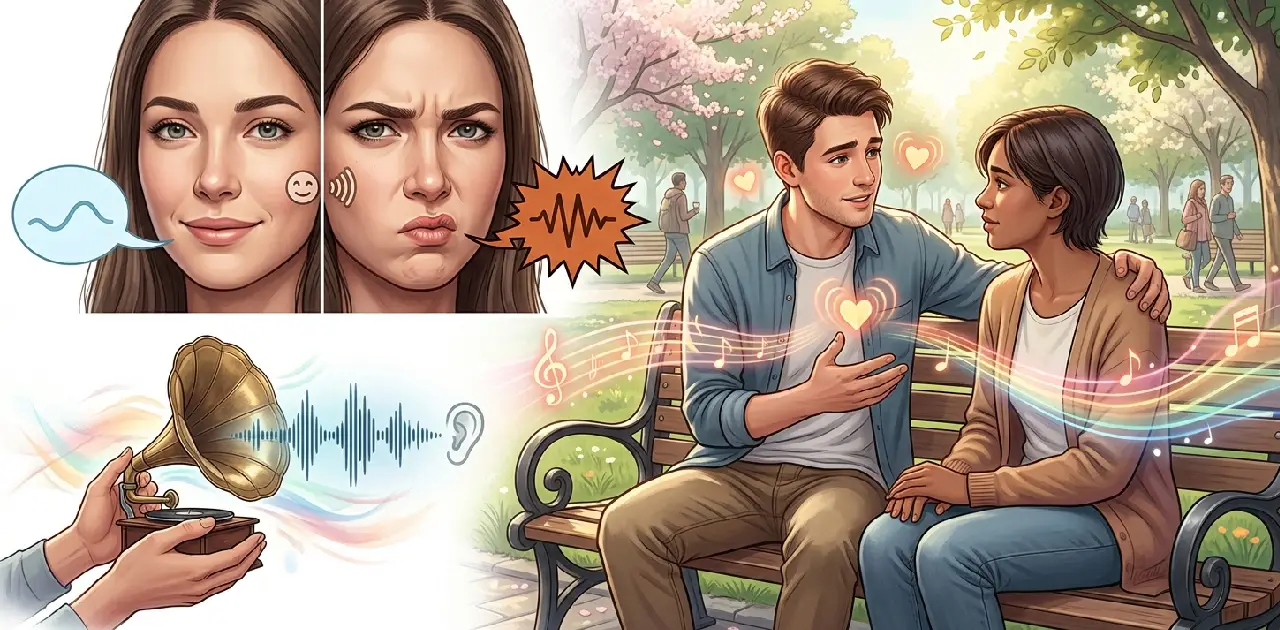
Since text messages don’t carry vocal tone, facial expressions, or body language, figuring out which version of WTV someone means comes down to reading a few contextual clues.
- What came before it? If the message follows a lighthearted question, it’s likely neutral. If it follows tension or an unanswered concern, it may carry frustration.
- Punctuation and capitalization. “wtv.” with a period can feel colder than “wtv” with no punctuation or a follow-up emoji.
- Response length. A single-word “wtv” with nothing else often reads more dismissive than “wtv, either one works, up to you.”
- How fast the reply came. An instant, short “wtv” during an active disagreement often signals frustration more than a delayed, casual one.
- The relationship itself. Close friends who text casually may use WTV constantly without any negative meaning behind it, while the same word from someone you don’t know well might carry more weight.
When in doubt, it’s usually fine to ask directly, such as “Wait, are you actually okay with that or just saying whatever?” This clears up any confusion without overreacting to a short text.
The Role of Emojis in Softening WTV
Adding an emoji after “wtv” can completely shift how the message reads. A laughing emoji or a shrug emoji tends to confirm a lighthearted, easygoing tone, while no emoji at all, especially in a conversation that already feels tense,
often reads as colder or more serious. This is one of the simplest and most reliable signals available in a text conversation, since emojis are one of the few tools texting offers to replace the tone of voice that’s missing from written words.
Reading WTV in a Longer Message Thread
Context doesn’t just come from the single message right before “wtv”; it often comes from the broader pattern of the conversation. If someone has been enthusiastic and detailed throughout a conversation and suddenly drops a short “wtv,” that shift in style is usually more telling than the word itself.
On the other hand, if someone consistently texts in short, low-effort replies as their normal style, a “wtv” from them likely doesn’t carry any special weight at all.
The Psychology Behind Why People Use WTV
Understanding WTV isn’t just about vocabulary; it also connects to how people handle conflict and emotion in digital spaces. Text-based communication strips away tone of voice, facial expression, and body language, which are the cues people normally rely on to soften or clarify a message. That missing context is exactly why a three-letter word can carry so much emotional weight.
Communication researchers who study digital conflict often point to a pattern called “conflict avoidance,” where someone chooses a low-effort, low-commitment response instead of directly addressing a disagreement.
WTV fits this pattern almost perfectly. Typing “wtv” takes far less emotional energy than explaining exactly why you’re frustrated, and it lets the sender exit a conversation without escalating it further.
There’s also a self-protective element at play. Saying “wtv” keeps a person’s real feelings somewhat hidden. If the other person doesn’t push back or ask follow-up questions, the sender never has to fully explain what’s bothering them.
This is part of why WTV so often shows up at the tail end of an argument rather than at the beginning; it functions as an exit rather than an opener.
On the flip side, when WTV is used in a genuinely neutral context, like choosing a restaurant or deciding on a movie, the psychology behind it is much simpler. It’s really just an efficient way to communicate flexibility without over-explaining a decision that doesn’t matter much either way.
WTV in Dating and Relationship Conversations

WTV shows up constantly in dating conversations and established relationships, and the stakes attached to it tend to be higher than in casual friend group chats. A single “wtv” from someone you’re dating can feel very different depending on where the relationship stands.
Early dating stage. If someone you just started talking to responds with “wtv” to a plan you suggested, it usually just means they’re easygoing about logistics, not that they’re losing interest. Context around the rest of the conversation matters more than this single word.
Established relationship, low-stakes decision. Between long-term partners, “wtv” during small decisions, like picking a restaurant or a movie, is usually harmless and even efficient. Couples who communicate frequently often use shorthand like this without any negative charge behind it.
Established relationship, emotional conversation. This is where “wtv” carries the most weight. If a partner responds with “wtv” after being asked about feelings, an argument, or a serious topic, it often signals emotional shutdown rather than genuine indifference.
Relationship communication experts frequently point to this kind of dismissive shorthand as a sign that someone needs space before continuing the conversation, rather than a sign that the topic doesn’t matter to them.
If you’re on the receiving end of a “wtv” during a sensitive relationship conversation, pushing harder in the moment rarely helps. Giving the other person a little room and revisiting the topic later, once emotions have settled, tends to lead to a more productive conversation than trying to force clarity right away.
Generational Differences in Using WTV
Slang doesn’t mean the same thing to every generation, and WTV is a good example of how usage patterns shift depending on who’s typing it.
| Generation | Typical Usage | Attitude Toward the Term |
|---|---|---|
| Gen Z | Extremely common, used constantly in texting, gaming, and social media | Rarely seen as inherently rude; tone-dependent |
| Millennials | Common, especially those who grew up during the early SMS era | Comfortable with it, often uses it interchangeably with “whatever” |
| Gen X | Occasional use, more likely to spell out “whatever” | May read it as more dismissive than younger users intend |
| Baby Boomers | Least likely to use it themselves | May not recognize the abbreviation at all |
This generational gap is part of why WTV can cause miscommunication between age groups. A Gen Z texter using “wtv” to signal easygoing flexibility might unintentionally come across as cold or uninterested to a parent, teacher, or older colleague who isn’t used to reading tone into shorthand.
A Quick Note for Parents and Older Readers
If you’ve received a “wtv” text from a younger family member and felt unsure how to take it, it’s worth remembering that, for most young texters, this word rarely carries the weight it might seem to on the surface. In the vast majority of cases, it simply means
“I’m flexible” or “it’s not a big deal to me,” not that the person doesn’t care about the relationship or the conversation itself. Context still matters, but assuming the worst about a short reply is usually not necessary.
Common WTV Combinations
WTV often shows up paired with other slang to create slightly different shades of meaning. Here are a few of the most common combinations you’ll run into.
| Combination | Meaning | Example |
|---|---|---|
| Down for wtv | Open to doing anything, no specific plan in mind | I’m down for wtv tonight, you pick. |
| wtv atp | Whatever at this point,” used after repeated frustration | wtv atp, I’ve asked three times already. |
| wtv tbh | Whatever, to be honest,” a more casual, low-stakes version | wtv tbh, doesn’t really matter to me. |
| idc, wtv | Doubling down on indifference for emphasis | idc, wtv you want to do is fine. |
| wtv man | Casual, sometimes slightly dismissive, especially among friends | wtv man, let’s just move on. |
These combinations tend to add either extra emphasis or extra context, helping clarify tone a little more than “wtv” on its own.
How to Respond to WTV
How you respond depends heavily on which version of WTV you think you’re dealing with. Here’s a quick reference for common situations.
| Situation | Suggested Response |
|---|---|
| Genuinely neutral (“pizza or tacos? wtv”) | Just pick one and move forward, no need to overanalyze it |
| Slightly tense (“wtv, it’s fine”) | Gently check in: “You sure? You seem a little off” |
| Emotional withdrawal (“wtv” after a serious topic) | Give space, then follow up later: “We don’t have to talk now, but I’m here when you’re ready” |
| Playful (“lol wtv, you know I’m right”) | Keep the tone light and respond in kind |
| Repeated “wtv atp” | Acknowledge the frustration directly: “I hear you; let’s actually figure this out” |
The goal is to match the emotional weight of the message rather than either ignoring a potential issue or overreacting to a genuinely casual reply.
WTV Across Different Platforms
While the core meaning of WTV stays the same everywhere, the way it’s typically used can shift slightly depending on the platform.
| Platform | Typical Usage |
|---|---|
| Texting (SMS/iMessage) | Common in casual back-and-forth conversations, especially with close friends |
| Snapchat | Extremely common due to the platform’s fast, disappearing-message culture |
| TikTok | Frequently used in comments, captions, and DMs |
| Shows up in DMs and comment replies, often paired with emojis | |
| Discord and gaming chats | Used to quickly move past disagreements during active gameplay |
| Common in casual group chats and one-on-one conversations |
On faster-paced, casual platforms like Snapchat and gaming chat, WTV tends to lean more toward efficiency than emotion; people simply don’t want to slow down the conversation. On more personal platforms like texting, the emotional undertone tends to matter more.
Why Snapchat and TikTok Culture Favor WTV
Snapchat’s disappearing-message format naturally encourages shorter, faster replies, since messages often vanish once they’re read. That format rewards efficiency over elaboration, which is a big reason WTV feels so at home there. TikTok’s comment sections work similarly; users are typically scrolling quickly and typing short, punchy reactions rather than long, detailed responses.
Why Texting Feels More Personal
Standard SMS or iMessage conversations tend to happen between people who already know each other well, whether that’s close friends, family, or a partner. Because these conversations often carry more emotional context, a “wtv” text is more likely to be read closely and interpreted for hidden meaning than the same word dropped in a public TikTok comment.
Why Gaming Chat Strips Away the Emotional Weight
In gaming environments, WTV is almost always functional rather than emotional. Matches move quickly, and typing out a full sentence mid-game simply isn’t practical. Teammates use “wtv” the same way they’d use a quick hand gesture in person, as a fast way to signal “let’s move on” without derailing the moment.
WTV in Gaming and Group Chats
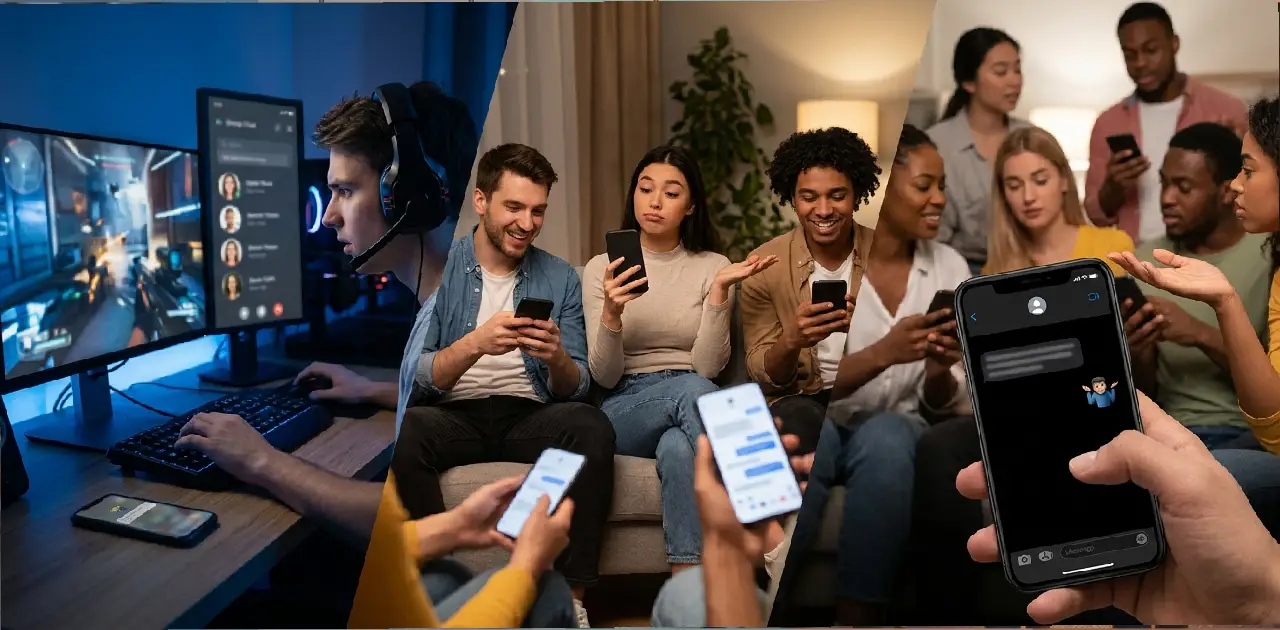
WTV shows up constantly in online gaming, particularly in voice chat and text chat during active matches. When teammates disagree about strategy mid-game, typing out a full explanation isn’t practical, so “wtv” becomes a quick way to move past the disagreement and keep playing.
Example:
“You should’ve gone left.” “wtv let’s just go, no time to argue”
In this setting, WTV is almost always about efficiency rather than genuine irritation. Nobody wants to lose a match because they were busy typing out a full debate.
Group chats function similarly. When a group is trying to make a quick decision, like where to eat or what time to meet, “wtv” is often the fastest way to signal flexibility without holding up the conversation.
WTV vs. Similar Slang Terms
WTV isn’t the only way to express indifference in a text. A few other common terms overlap in meaning but carry slightly different connotations.
| Term | Meaning | How It Differs From WTV |
|---|---|---|
| IDC | I don’t care | More direct and can feel blunter than WTV |
| IDK | I don’t know | Expresses uncertainty rather than indifference |
| K | Okay | A short acknowledgment doesn’t necessarily express indifference |
| KK | Okay, got it | Slightly warmer and more casual than a plain “k” |
| Meh | Expresses lukewarm feelings about something | More about a lack of enthusiasm than a lack of preference |
| Fine | Agreement, often reluctant | Can carry more visible frustration than WTV |
| Aight | Alright,” casual agreement | Sounds more upbeat and less dismissive than WTV |
| Cool | Casual approval or acknowledgment | Generally reads as positive, unlike WTV’s ambiguity |
| NVM | Never mind | Signals dropping the topic entirely, rather than staying flexible |
| Sure | Agreement can be enthusiastic or flat, depending on tone | Similar ambiguity to WTV, but slightly more polite by default |
WTV tends to sit in a middle ground; it’s flexible enough to sound casual and easygoing, but it can also carry an edge depending on how it’s used.
That dual nature is part of why it remains one of the most commonly searched texting abbreviations; people genuinely aren’t sure how to take it, and that uncertainty is exactly what drives so many searches for a clear explanation.
WTV in Memes and Pop Culture
Beyond one-on-one texting, WTV has also become something of a cultural shorthand in memes, reaction videos, and online commentary. It’s common to see “wtv” used as a caption under a clip of someone shrugging or rolling their eyes, reinforcing the term’s association with a specific kind of dismissive, unbothered attitude.
This meme usage has helped cement WTV as more than just a texting shortcut; it’s become a recognizable tone marker across the internet. Even people who don’t use the abbreviation themselves often recognize it instantly from captions, comment sections, and short-form video content, which is part of why it continues to top slang searches year after year.
WTV in Customer Service and Professional Contexts
While WTV is firmly casual slang, it occasionally slips into semi-professional spaces, particularly in casual workplace chat tools like Slack or Discord among coworkers who know each other well. Even in these more relaxed professional settings, it’s worth being cautious.
A few reasons to avoid WTV in anything work-related:
- It can look unprofessional to anyone outside your immediate team, including managers, clients, or new coworkers who might see the message later.
- It removes clarity from decisions that need documentation, such as project preferences or scheduling, where “whatever works” spelled out is much clearer than an ambiguous “wtv.”
- It can be misread as disengagement, even if you’re simply being flexible, which isn’t the impression most people want to give at work.
If you want to keep a casual tone at work without the risk, spelling out “no strong preference” or “either works for me” gets the same point across without the ambiguity.
Is WTV Used the Same Way Around the World?
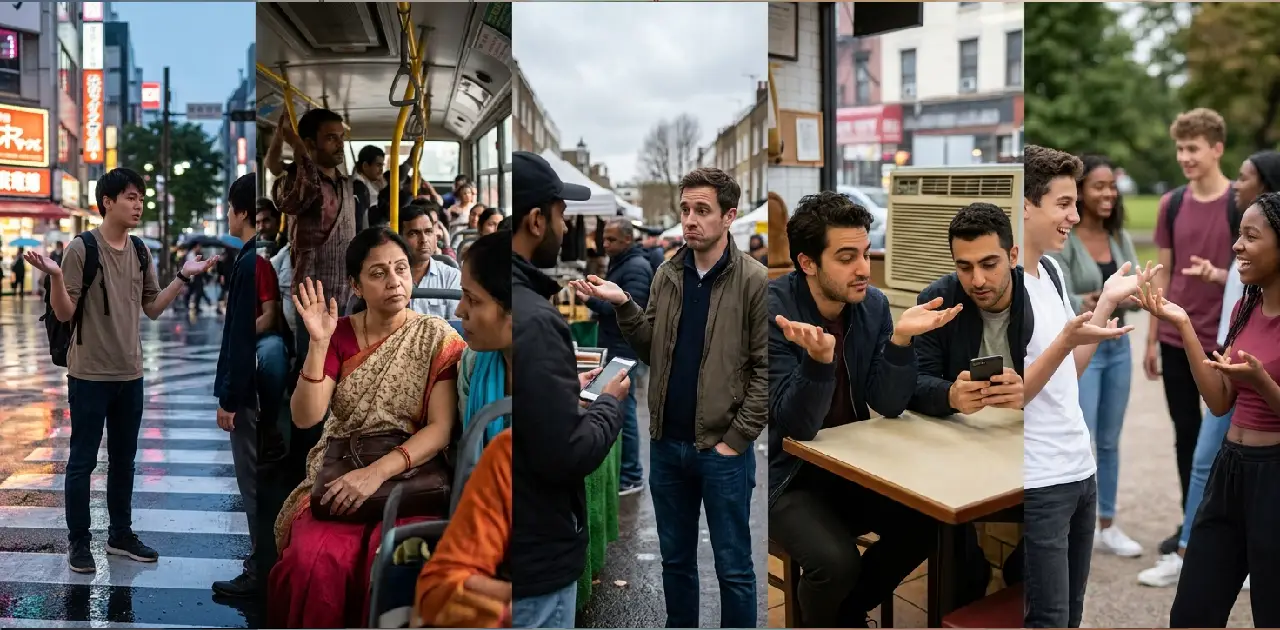
WTV originated in English-language texting culture, but it has spread well beyond any single country. English is the dominant language of most major social platforms, which means abbreviations like WTV tend to spread quickly across borders, especially among younger, internet-fluent users who consume a lot of English-language content, memes, and media.
That said, usage can still vary. In some regions, WTV is used almost identically to how it’s used in the United States, as a flexible, tone-dependent way to express indifference.
In other regions, English texting slang gets blended with local languages, so “wtv” might show up in the middle of a sentence written primarily in another language, functioning as a quick borrowed phrase rather than a fully integrated part of the local slang vocabulary.
Because of this spread, someone encountering “wtv” for the first time outside of a native English-speaking context may take a little longer to pick up on its tonal nuances, since those cues often depend on cultural texting habits that take time to absorb.
Is It Rude to Say WTV?
Whether WTV comes across as rude depends entirely on context. Used casually among friends to express genuine flexibility, it’s completely normal and not rude at all. Used in response to a serious question, an apology, or an attempt to resolve a disagreement, it can come across as dismissive or cold, even if that’s not what the sender intended.
If you’re the one sending it, a little extra context goes a long way. Compare these two replies:
- “wtv” (feels abrupt, possibly dismissive)
- “wtv, honestly either option works for me!” (feels casual and genuinely flexible)
Adding even a few extra words or an emoji can completely change how the message lands, without changing the actual meaning of the word itself.
When to Avoid Using WTV
While WTV is fine in most casual digital conversations, there are situations where it’s better to avoid it altogether.
- Professional or work-related messages. WTV is far too informal for emails, work Slack messages, or any professional communication.
- Serious or emotional conversations. If someone is trying to talk through a real issue, “wtv” can shut down the conversation in a way that feels hurtful, even unintentionally.
- With people who don’t use slang regularly. Not everyone is familiar with texting abbreviations, and using WTV with someone unfamiliar with it can create confusion instead of casual ease.
- When you actually do care about the outcome. If you have a genuine preference, saying so directly avoids miscommunication down the line.
In these situations, spelling out “whatever,” or better yet, a more specific response, tends to communicate more clearly than the shorthand version.
Examples of WTV in Real Conversations
Seeing WTV used in a variety of realistic contexts makes its flexibility easier to understand.
Example 1 – Neutral decision-making
“Should we watch a movie or just order food?” “wtv, both sound good honestly”
Example 2 – Mild frustration, but not full-on anger
“I already told you I can’t make it tonight.” “wtv, no worries”
Example 3 – Gaming chat
“Why’d you go that way?” “wtv man, let’s just finish the round”
Example 4 – Group chat planning
“Everyone down for 7pm?” “wtv works, just let me know the final time”
Example 5 – Emotional distance
“Can we talk about this later?” “wtv, whenever”
Example 6 – Family group chat
“Grandma wants everyone to bring a side dish for Sunday, any preferences?” “wtv is fine, I’ll bring whatever’s easiest”
Here, WTV is doing exactly what it’s meant to do in a low-stakes group setting: signaling flexibility without holding up the planning process for everyone else.
Example 7 – After an apology
“Hey, sorry about earlier, I didn’t mean to snap at you.” “wtv it’s whatever”
This one is trickier to read. It could mean the person has genuinely let it go, or it could mean they’re not ready to fully accept the apology yet. The repetition of “wtv” and “whatever” together often signals that the issue isn’t fully resolved, even if the person isn’t ready to say that directly.
Example 8 – Casual scheduling among coworkers (non-professional chat)
“Should we push the coffee catch-up to Thursday?” “wtv works for me”
In this context, the tone is almost entirely neutral and practical, closer to “either day is fine” than to any kind of emotional statement.
Each of these examples uses the exact same word, but the emotional weight behind it shifts significantly based on what’s happening around it. That pattern, more than the definition itself, is the real skill in understanding WTV.
A Simple Framework for Reading WTV Correctly

If you want a quick mental checklist, the next time you receive a “wtv” text, these four questions can help you land on the right interpretation almost every time.
- Was the previous message a low-stakes question? If yes, WTV is very likely genuine flexibility.
- Was there recent tension, conflict, or an unresolved issue? If yes, WTV may carry frustration or emotional distance.
- Did the person add anything else to the message? Extra words, emojis, or follow-up questions usually soften the tone. A completely bare “wtv” tends to read colder.
- How does this person normally text? Someone who texts in short, clipped messages by default probably isn’t being extra dismissive. Someone who’s usually detailed and suddenly replies with just “wtv” is a bigger signal that something’s off.
Running through these four questions takes only a few seconds and usually gives a much clearer picture than reacting to the word alone.
A Short Timeline of How WTV Evolved
Tracing how WTV moved from basic SMS shorthand to a widely recognized piece of internet slang helps explain why it carries so much cultural weight today.
| Era | How WTV Was Used |
|---|---|
| Early 2000s | Emerged as a character-saving SMS shortcut alongside terms like “b4,” “gr8,” and “ttyl” |
| Mid-to-late 2000s | Spread through early instant messaging platforms and chat rooms |
| 2010s | Carried over into smartphone texting, group chats, and early social media comment sections |
| Late 2010s to 2020s | Became a staple on Snapchat, Instagram DMs, and gaming voice/text chat |
| Today | Widely used across nearly every messaging platform, often paired with other slang for added emphasis |
What’s notable about this timeline is that WTV didn’t just survive the shift from character-limited texting to unlimited messaging; it actually became more popular. That’s a sign the term stuck around not out of necessity, but because it filled a genuine gap in how people wanted to express casual indifference online.
Regional and Community Variations
While WTV means the same core thing everywhere, the frequency and social acceptability of using it can vary depending on the online community or texting culture someone grew up in. In some friend groups, “wtv” is used constantly and never reads as rude, functioning almost like a verbal tic.
In others, especially among people who value more expressive, detailed texting, the same word might stand out as unusually blunt.
Online gaming communities tend to use WTV more functionally, focusing on speed and efficiency during active gameplay. Social media comment sections often use it more performatively, as part of a joking or sarcastic tone rather than a genuine expression of indifference.
Recognizing which “version” of WTV culture you’re in, whether that’s a tight friend group, a gaming squad, or a public comment thread, makes it much easier to judge how the word is likely being used.
Common Mistakes People Make With WTV
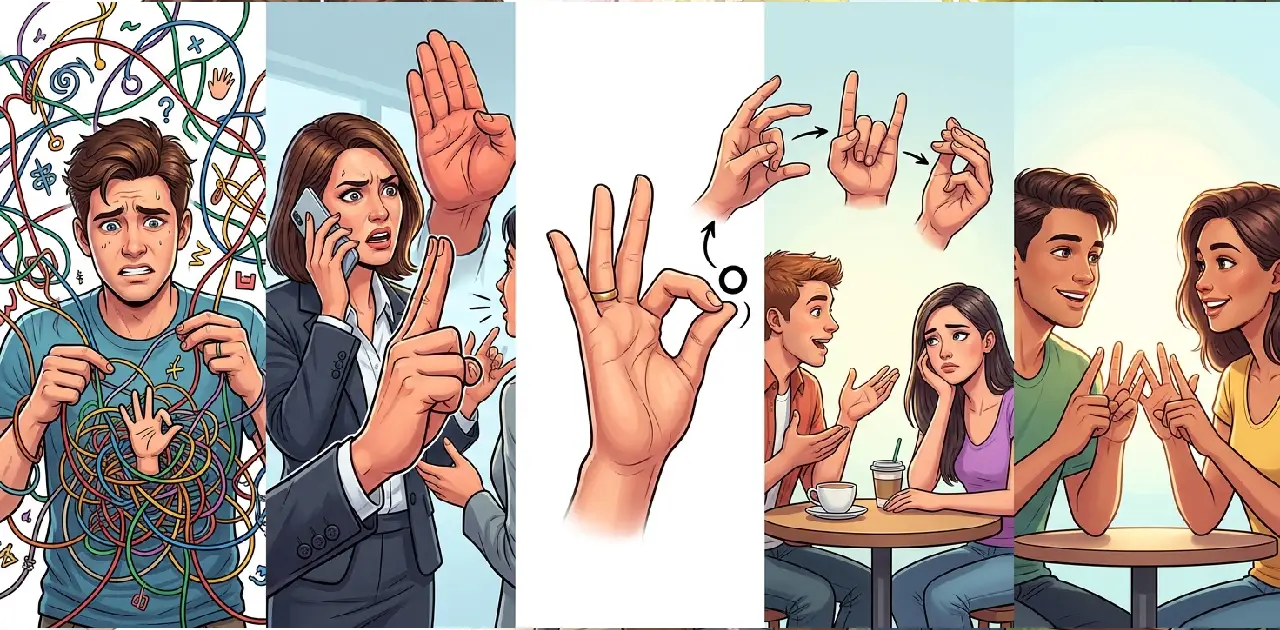
Even though WTV is a simple word, a few small missteps can cause real miscommunication.
- Sending it during a serious conversation without any follow-up. A bare “wtv” after someone shares something vulnerable can feel dismissive even if that’s not the intent. Adding a few extra words softens the message considerably.
- Assuming it always means anger. Plenty of “wtv” texts are completely neutral. Reading frustration into every instance can create unnecessary tension where none exists.
- Using it in professional or formal writing. WTV has no place in emails, official messages, or written communication meant to be taken seriously.
- Ignoring a pattern of repeated “wtv” replies. A single “wtv” is usually nothing to worry about, but a consistent pattern in response to attempts at real conversation can be worth addressing directly.
- Overreacting to a single word without context. Since text lacks tone of voice, jumping to conclusions based on three letters alone often leads to unnecessary arguments. Asking a simple clarifying question is almost always more effective than assuming the worst.
Avoiding these missteps, on both the sending and receiving ends, makes WTV far less likely to cause confusion or hurt feelings than it otherwise might.
Final Thoughts
WTV is a simple abbreviation for “whatever,” but its real meaning depends almost entirely on tone and context. It can express genuine flexibility, mild irritation, emotional withdrawal, or lighthearted humor, all with the exact same three letters. Understanding the situation it’s used in, and paying attention to the messages around it, is the real key to knowing what someone actually means.
Whether you’re replying to a friend’s casual text, navigating a tense conversation, or just trying to keep a group chat moving, knowing how to read WTV correctly helps you respond in a way that actually matches the moment.
Frequently Asked Questions
What does WTV mean in a text message?
WTV stands for “whatever” and is used to express indifference, agreement, or a desire to move past a topic quickly.
Is WTV always a rude response?
No, it depends on context. Used casually among friends, it’s usually not rude, but it can come across as dismissive in serious conversations.
How do I know if WTV means someone is upset?
Look at what came before the message. If it follows tension or an unresolved issue, it likely carries frustration rather than genuine indifference.
What’s the difference between WTV and IDC?
WTV tends to feel more casual and flexible, while IDC (“I don’t care”) often reads as more direct and blunt.
Should I use WTV in professional messages?
No, WTV is very informal and should be avoided in work emails, job-related messages, or any formal communication.
What does “down for wtv” mean?
It means someone is open to doing anything and doesn’t have a specific plan in mind.
Where did the term WTV originate?
WTV started as an SMS shorthand for “whatever” in the early 2000s, when texting often had character limits.
How should I respond if someone sends me just “wtv”?
Consider the context first. If it feels neutral, respond casually. If it feels tense, a gentle check-in often helps clarify things.
Does WTV always mean someone doesn’t care?
Not always. It often signals genuine flexibility, but in emotionally charged conversations, it can signal frustration or a desire to end the topic instead.
Is WTV more common among certain age groups?
Yes, it’s most widely used by Gen Z and younger Millennials, largely because of how texting culture developed around SMS character limits and fast-paced social apps.
Can WTV be used in a relationship without it being a bad sign?
Yes, for low-stakes decisions like picking a restaurant, it’s usually harmless. It becomes more concerning when used dismissively during serious or emotional conversations.
What should I do if my partner keeps replying with “wtv” during arguments?
Give them a little space before continuing the conversation, since a repeated “wtv” during conflict often means they need time before they’re ready to talk things through.
Is it okay to use WTV with someone I just started talking to?
It’s generally fine for casual logistics, like scheduling, but it’s worth watching how the other person responds to gauge whether they’re comfortable with that level of shorthand.
Why do some people find WTV more annoying than others?
It often comes down to communication style. People who prefer detailed, explicit communication may find WTV’s ambiguity frustrating, while people used to fast, casual texting see it as efficient rather than dismissive.
Is WTV used differently outside the United States?
The core meaning stays the same globally, but tonal nuances can take longer to pick up on for people who didn’t grow up immersed in English-language texting culture.
What’s the fastest way to avoid misreading a “wtv” text?
Run through what came before the message, how the person normally texts, and whether they added any extra words or emojis. Together, these usually make the intended tone much clearer within seconds.
Leave a Reply