
IDM Full Form in Chat: What Does IDM Really Mean?
You ask a friend where they want to eat, and they text back: “idm.” No suggestion, no preference, just three letters. Are they being indecisive? Indifferent? Or is this just their way of saying “you pick”?
If you‘ve paused trying to figure out the tone behind it, you’re not alone. IDM is one of those small, easy-to-miss abbreviations that shows up constantly in group chats and DMs, but rarely gets explained anywhere obvious.
This guide breaks down exactly what IDM stands for, how it’s different from similar-looking abbreviations like IDC and IDK, and how to use — or respond to — it naturally.
IDM Full Form: Quick Answer
IDM stands for “I Don’t Mind.” It’s a casual way of telling someone that you’re okay with a choice, plan, or suggestion, without a strong preference either way. It’s typically used to sound relaxed, agreeable, and easygoing, rather than indifferent or dismissive.
| Detail | Information |
|---|---|
| Full form | I Don’t Mind |
| Alternate meanings | Internet Download Manager (software), Intelligent Dance Music (genre), Identity Management (tech/business) |
| Tone | Casual, relaxed, flexible |
| Common on | WhatsApp, Instagram, Snapchat, group chats, gaming chats |
| Best used with | Friends, casual decisions, low-stakes choices |
| Avoid using in | Formal emails, professional messages, important decisions |
How People Use IDM in Real Conversations

IDM shows up most often when someone is asked to choose between options and genuinely doesn’t have a strong preference. Here are a few realistic examples:
Example 1:
Friend: “Pizza or burgers tonight?” You: “IDM, you choose 🍕🍔”
Example 2:
Friend: “Should we watch the movie now or after dinner?” You: “IDM either way works.”
Example 3:
Group chat: “What time should we meet up?” You: “IDM, whatever works for everyone else.”
Example 4:
Friend: “Do you want to go first or should I?” You: “IDM, you can go first.”
In every case, IDM is doing the same basic job: letting the other person make the decision, while signaling that you’re genuinely fine with either outcome.
Where Did “IDM” Come From?
Like most texting abbreviations, IDM grew out of the need to type faster during the early days of instant messaging.
As chat platforms like MSN Messenger, Yahoo Chat, and early SMS texting became popular in the late 1990s and early 2000s, users began shortening common phrases to save time and character space.
“I don’t mind” was a natural candidate for shortening, since it’s a phrase used constantly in casual conversation to express flexibility.
As messaging moved from desktop chat clients to smartphones and eventually to apps like WhatsApp, Instagram, and Snapchat, IDM carried over and remained part of everyday digital shorthand.
IDM vs. IDC vs. IDK: What’s the Difference?
This is where a lot of the confusion around IDM actually comes from. All three abbreviations look similar and often show up in the same type of conversation, but they carry noticeably different meanings and tones.
| Abbreviation | Full Form | Meaning | Tone |
|---|---|---|---|
| IDM | I Don’t Mind | You’re okay with either option | Relaxed, agreeable |
| IDC | I Don’t Care | You have no real interest either way | Can sound indifferent or dismissive |
| IDK | I Don’t Know | You genuinely don’t know the answer | Neutral, uncertain |
Example comparison:
- “Pizza or burgers?” “IDM.” — implies you’re happy with either choice.
- “Pizza or burgers?” “IDC.” — implies you don’t have any real interest in the decision.
- “Pizza or burgers?” “IDK.” — implies you genuinely can’t decide or don’t have an opinion formed yet.
The key distinction worth remembering: IDM leans warm and flexible, while IDC can come across as cold or uninterested, even though both technically mean “no strong preference.” If you want to sound agreeable rather than indifferent, IDM is almost always the safer choice.
Is IDM Rude or Dismissive?
No — IDM is generally considered a friendly, neutral response. Unlike IDC, which can sometimes sound like the sender doesn’t care about the outcome at all, IDM tends to communicate genuine flexibility and openness to whatever the other person decides.
That said, tone can shift slightly depending on how it’s used:
- Warm and cooperative: “IDM, you pick! Either sounds good 😊” — reads as relaxed and easygoing.
- Neutral, no extra context: “IDM.” — usually still comes across as fine, especially in fast-paced group chats.
- Can feel slightly detached: “IDM.” (sent as a one-word reply to a more detailed or emotional message) — this can occasionally feel like the sender isn’t fully engaged, simply because it doesn’t match the effort of the original message.
Pairing IDM with a follow-up phrase or emoji generally keeps the tone warm rather than flat.
IDM Across Different Platforms
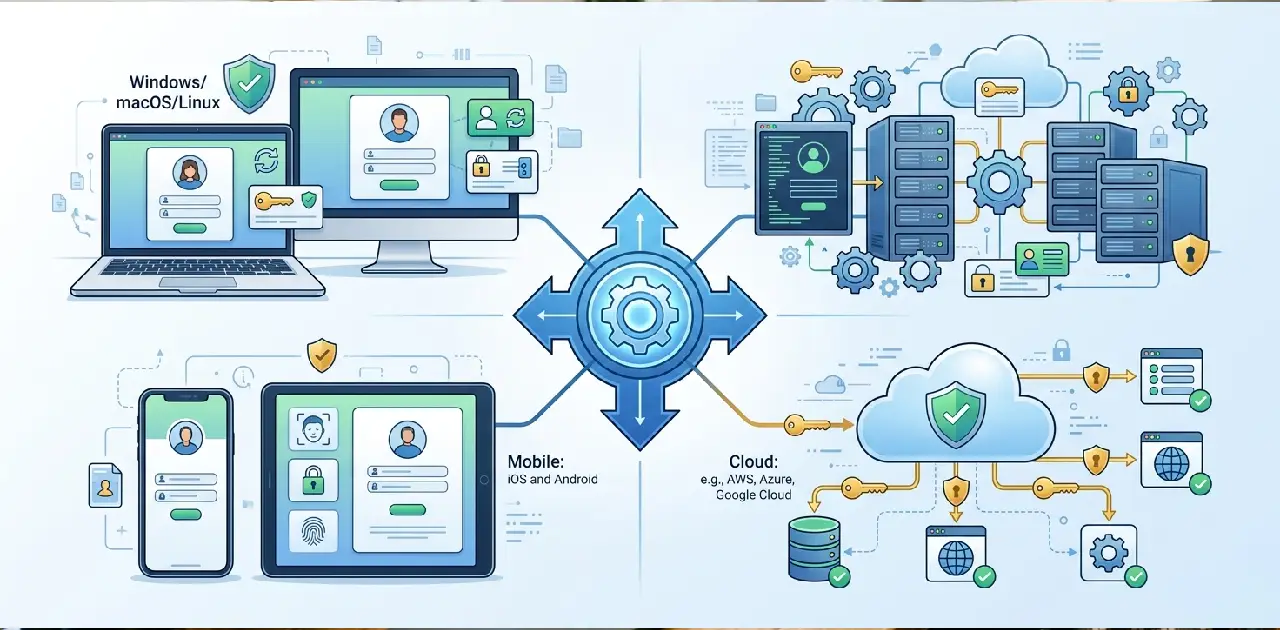
While the core meaning of IDM stays the same everywhere, how it’s used can shift slightly by platform.
| Platform | Typical Use |
|---|---|
| Common in casual replies between friends or family | |
| Instagram DMs/Comments | Used to show agreement or flexibility in conversations |
| Snapchat | Common in quick, informal back-and-forth chats |
| TikTok Comments | Used when replying to polls or opinion-based posts |
| Group Chats | Frequently used when multiple people are deciding on plans |
| Gaming Chats | Used when players have no preference about maps, roles, or modes |
Does IDM Ever Mean Something Else?
Yes — outside of everyday texting, IDM has a few completely different meanings depending on the field. These are far less common in casual chat, but worth knowing so you don’t misread a message in a different context.
| Alternate Meaning | Where It’s Used | Example |
|---|---|---|
| Internet Download Manager | Software/technology | “I use IDM to speed up my downloads.” |
| Intelligent Dance Music | Music genre | “That artist makes IDM, not typical pop.” |
| Identity Management | Business/IT systems | “Our company uses an IDM platform for employee access.” |
In everyday texting and chat apps, though, “I Don’t Mind” remains the overwhelmingly dominant meaning. If IDM shows up in a sentence about a choice, decision, or plan, you can safely assume that’s the intended meaning.
Common Mistakes People Make With IDM
A few small misunderstandings come up often enough to mention:
- Confusing IDM with IDC. These look similar but carry different tones — IDM sounds flexible and agreeable, while IDC can come across as indifferent or dismissive.
- Assuming a short “idm” reply means the person doesn’t care. In most cases, it simply means they’re comfortable with either option, not that they’re uninterested in the conversation.
- Using IDM in professional or important conversations. For serious decisions or workplace communication, spelling out “I don’t mind” (or better yet, offering a clear opinion) usually comes across as more thoughtful.
- Overcapitalizing it mid-sentence. The casual, lowercase form “idm” is more common in everyday texting; capitalizing it mid-sentence can look slightly formal or out of place.
How to Reply to “IDM”
If someone sends you “idm,” there’s usually no need to overthink your response. A few natural options work depending on the conversation:
- “Okay, let’s go with pizza then!”
- “Cool, I’ll decide and let you know.”
- “No worries, we’ll figure it out together.”
- If you want a clearer answer: “Are you sure? Any preference at all?”
Is IDM Still Used in 2026?

Yes. IDM remains a common, widely understood abbreviation in casual texting and social media conversations. While flashier slang terms come and go quickly, simple, functional abbreviations like IDM tend to stick around because they solve a real,
everyday problem — quickly signaling flexibility without needing a full sentence. It’s especially popular among younger users on messaging apps, though it’s understood broadly across most age groups and platforms.
Conclusion
At its core, IDM is a small, friendly way of saying “I’m okay with either option.” It’s been part of everyday texting shorthand since the early days of instant messaging, and it’s carried that same relaxed, flexible tone through WhatsApp,
Instagram, Snapchat, and group chats ever since. While it’s easy to mix it up with similar-looking abbreviations like IDC or IDK, remembering the tone difference — flexible versus indifferent versus uncertain — makes it much easier to read correctly.
The next time someone replies “idm” to your message, you’ll know exactly what’s happening: they’re simply happy to go along with whatever you decide.
FAQs About IDM Full Form in Chat
What does IDM mean in chat?
IDM means “I Don’t Mind,” used to show that someone is okay with a choice or decision without a strong preference.
Is IDM the same as IDC?
No, IDM sounds more flexible and agreeable, while IDC (“I Don’t Care”) can come across as more indifferent or dismissive.
Is IDM rude to send someone?
No, it’s generally a friendly, neutral response that shows openness to whatever the other person decides.
Does IDM mean something different outside of texting?
Yes, it can also stand for Internet Download Manager, Intelligent Dance Music, or Identity Management, depending on the context.
How is IDM different from IDK?
IDM means you’re okay with either option, while IDK means you genuinely don’t know or haven’t decided.
Should I use IDM in a professional message?
No, it’s casual texting slang and is better replaced with a full sentence in formal or business communication.
Is IDM still commonly used in 2026?
Yes, it remains a popular, widely understood abbreviation in everyday texting and social media conversations.
Leave a Reply