
Lame Joke Meaning: What It Really Means and Why We Still Laugh
Someone tells a joke. Nobody laughs. Instead, you hear a groan, an eye-roll, or a flat “that was lame.” But what does that word actually mean in this context, and why does a joke described as “bad” still get shared millions of times online?
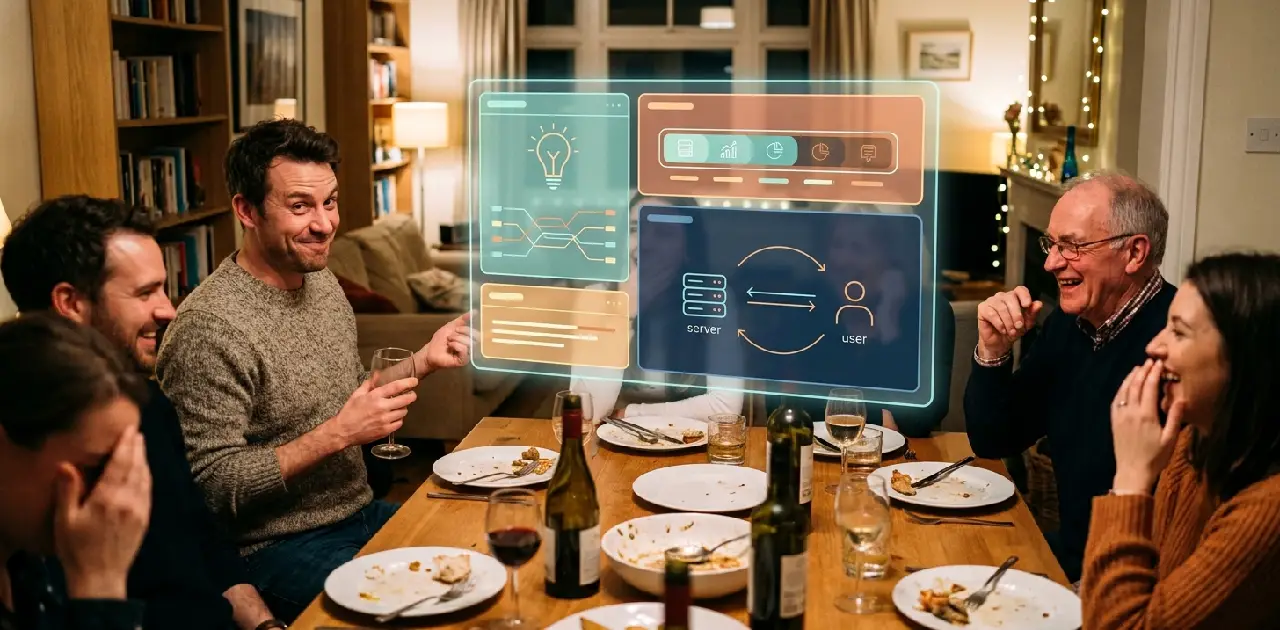
The phrase “lame joke” gets thrown around constantly, but its real meaning is more specific than most people realize. It’s not simply an insult for something unfunny. It describes a particular style of humor — predictable, corny, often pun-based — that people love to mock and share at the same time.
This guide breaks down the full lame joke meaning: where the phrase comes from, what separates a lame joke from a dad joke or a regular pun, real examples you can use right away, and the psychology behind why these “so-bad-they’re-good” jokes never seem to disappear.
What Does “Lame Joke” Mean?
At its core, a lame joke is a joke considered corny, predictable, or unoriginal — one that relies on an obvious pun or a punchline the listener can see coming from a mile away. It typically triggers a groan rather than genuine laughter, yet it’s rarely meant to be taken as a serious insult. lame joke meaning
Dictionaries define it in similar terms. Several sources describe a lame joke as an attempt at humor that feels overused to the point of being cliché, or one that was never particularly funny to begin with. Others frame it more simply: a joke seen as silly, weak, or unoriginal, more likely to earn an eye-roll than a laugh.
Here’s the important nuance: calling a joke “lame” isn’t always harsh criticism. In casual conversation, it often carries an affectionate, teasing tone — similar to how people describe dad jokes. The joke is bad, but bad in a charming, low-stakes way.
Quick Definition Box
| Term | Meaning |
|---|---|
| Lame joke | A corny, predictable, or unoriginal joke that gets a groan instead of a laugh |
| Origin of “lame” (in this sense) | Informal slang for “weak” or “unconvincing,” unrelated to its literal meaning of physical disability |
| Typical reaction | Groaning, eye-rolling, forced laughter, or a sarcastic “good one” |
| Common formats | Puns, one-liners, knock-knock jokes, riddles |
| Closest relative | Dad jokes |
Where the Phrase Comes From
The word “lame” has been used informally to mean “weak” or “unconvincing” for a long time, long before it attached itself specifically to jokes.lame joke meaning
Calling an excuse “lame,” for example, means it doesn’t hold up under scrutiny. Applying that same logic to comedy, a “lame joke” is one that doesn’t hold up as genuinely funny — it falls flat.
It’s worth noting that “lame” in its original, literal sense refers to difficulty walking due to an injury or physical condition, and some dictionaries flag that older usage as potentially offensive today.
The slang meaning used in “lame joke,” however, has drifted so far from that literal definition that most speakers don’t associate the two at all. Still, it’s a good reason to be mindful of how and where the word gets used.
The specific pairing of “lame” with “joke” became especially common alongside the rise of dad jokes as a recognized comedy category.
As dad jokes gained popularity through sitcoms, greeting cards, and eventually social media, “lame joke” became the go-to phrase for describing that exact style of humor: intentionally corny, heavily pun-based, and proudly unfunny.
Internet culture accelerated this even further. Platforms built around joke-sharing helped normalize an entire genre of “so bad it’s good” comedy, where the appeal isn’t the joke itself but the groan it produces.
What Makes a Joke “Lame”?
Not every unfunny joke qualifies as lame. There’s a specific formula at play. Lame jokes tend to share several defining traits:
- Predictability – You can often guess the punchline before it arrives.
- Overused setups – Classic formats like “why did the chicken cross the road” get recycled endlessly.
- Heavy reliance on puns – Wordplay is the backbone of most lame jokes.
- Simple structure – A short setup followed by an obvious twist, with no real complexity.
- Intentional cheesiness – Many lame jokes are deliberately corny rather than accidentally bad.
In other words, a lame joke isn’t lazy comedy by accident — it’s often lazy comedy on purpose, which is exactly what makes it charming rather than annoying.
Lame Joke vs. Dad Joke vs. Pun: What’s the Difference?
These three terms are used interchangeably, but they aren’t identical. Understanding the distinction helps clarify what people actually mean when they use each phrase.
| Term | Definition | Typical Tone | Example |
|---|---|---|---|
| Lame joke | Any joke seen as corny, predictable, or unoriginal | Groan-worthy, sometimes affectionate | Why don’t skeletons fight? They don’t have the guts. |
| Dad joke | A specific subtype of lame joke, often literal or overly earnest, associated with fatherly humor | Wholesome, intentionally cheesy | I’m reading a book on anti-gravity. It’s impossible to put down. |
| Pun | Wordplay based on multiple meanings or similar-sounding words | Clever, sometimes lame, sometimes genuinely witty | I used to be a banker, but I lost interest. |
The key takeaway: every dad joke is arguably a lame joke, and most lame jokes rely on puns, but not every pun is lame, and not every lame joke fits the “dad joke” mold. Think of it as overlapping circles rather than three separate boxes.
Common Examples of Lame Jokes

Seeing real examples makes the definition click faster than any explanation. Here are some widely recognized lame jokes across different formats.
Classic One-Liners
- I told my computer I needed a break, and now it won’t stop sending me KitKats.
- I’m reading a book about anti-gravity. It’s impossible to put down.
- I used to be a baker, but I couldn’t make enough dough.
- Parallel lines have so much in common. It’s a shame they’ll never meet.
- I only know 25 letters of the alphabet. I don’t know why.
Knock-Knock Jokes
Knock knock. Who’s there? Lettuce. Lettuce who? Lettuce in, it’s cold out here!
Knock knock. Who’s there? Boo. Boo who? Don’t cry, it’s just a joke!
Riddle-Style Jokes
- Why don’t scientists trust atoms? Because they make up everything.
- Why did the scarecrow win an award? Because he was outstanding in his field.
- What do you call fake spaghetti? An impasta.
Each of these follows the exact pattern described earlier: a predictable setup, an obvious pun, and a punchline that earns a groan more often than genuine laughter.
Why People Still Enjoy Lame Jokes
If lame jokes are, by definition, not very funny, why do they remain so popular? Psychologists and comedy writers point to a few consistent reasons.
- Low-stakes humor – Because everyone already expects the joke to be bad, there’s no pressure for it to actually land. That takes the sting out of a failed punchline.
- Shared groaning as bonding – Reacting to a lame joke together, complete with eye-rolls and forced laughter, creates a small moment of social connection.
- Nostalgia – Many lame jokes echo childhood humor, joke books, or family traditions, which trigger a warm, familiar feeling.
- Predictability feels safe – Unlike edgy or complex humor, lame jokes are universally understandable and rarely offensive, making them easy to share across any audience.
- The “anti-humor” effect – Sometimes the joke itself isn’t funny, but the awareness that it’s supposed to be bad becomes the actual source of amusement.
This is part of why dad jokes, despite being mocked constantly, have such staying power online. The joke and the reaction to the joke have become a package deal.
How to Respond to a Lame Joke
If someone hits you with a groan-worthy pun, there are a few classic ways to respond, depending on the mood:
- The groan – A simple, exaggerated “ugh” or eye-roll acknowledges the joke without giving false praise.
- The forced laugh – Playing along with an over-the-top laugh often gets a bigger reaction than a genuine one.
- The callback – Responding with an equally lame joke keeps the exchange going and turns it into a mini pun battle.
- The deadpan – A flat “wow” or “that was something” plays into the joke’s low-effort charm.
None of these responses are wrong — lame jokes are largely judged on the reaction they get rather than the laughter they produce.
Where You’ll Encounter Lame Jokes Most Often
Lame jokes show up consistently in specific settings, which is part of why the phrase remains so widely searched and used:
- Family gatherings – Often delivered by a parent or grandparent, met with theatrical groans.
- Greeting cards – Birthday and holiday cards frequently lean on puns for a lighthearted touch.
- Classrooms – Teachers often use lame jokes as icebreakers because they’re universally safe and easy to understand.
- Social media captions – Especially paired with pet photos, food pictures, or holiday posts.
- Office small talk – A low-risk way to lighten the mood without venturing into anything controversial.
Is Calling Something “Lame” Ever Considered Offensive?
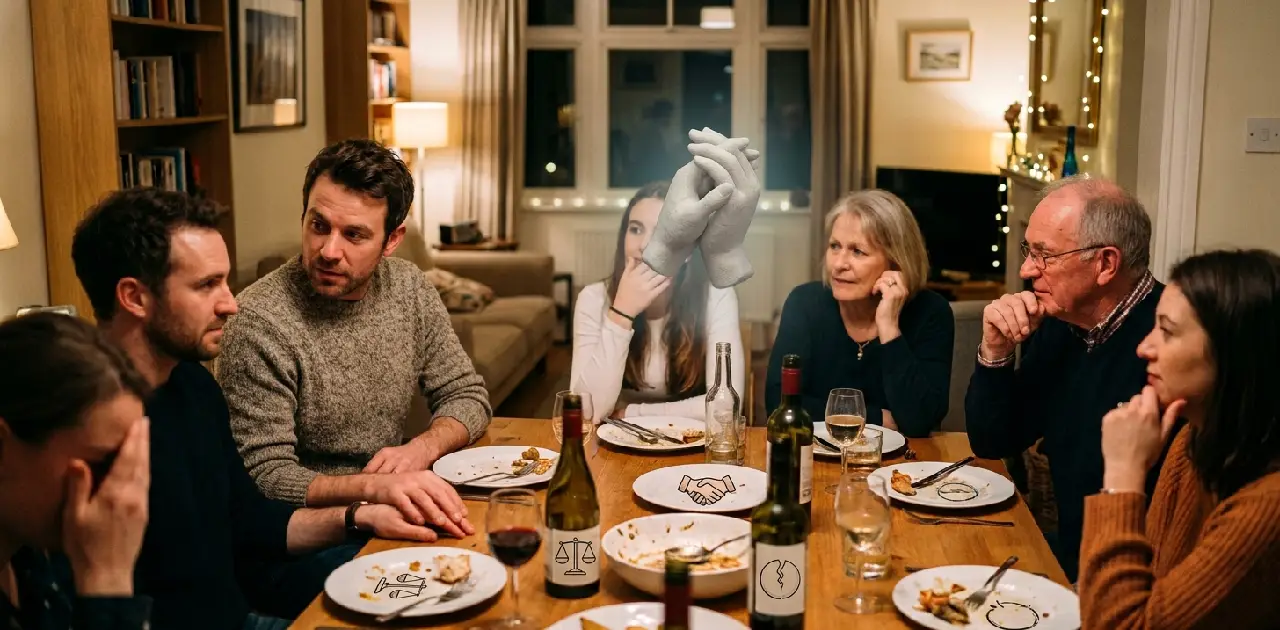
This is worth addressing directly, since the word “lame” carries a secondary, older meaning tied to physical disability. When used to describe a joke, the word functions purely as slang for “weak” or “unimpressive,” and it’s understood that way by the vast majority of speakers.
That said, some style guides and disability advocates note that the term’s origin can still feel dismissive to people with mobility impairments, since it repurposes a word tied to disability as a stand-in for “bad” or “inadequate.”
If you’re writing for a broad or sensitive audience, alternatives like “corny joke,” “cheesy joke,” or “groan-worthy joke” carry the same meaning without that history attached.
Frequently Asked Questions
What does “lame joke” mean?
It refers to a joke seen as corny, predictable, or unoriginal — one that usually earns a groan rather than real laughter.
Is a lame joke the same as a dad joke?
Not exactly. A dad joke is a specific type of lame joke, usually wholesome and overly literal, while “lame joke” is a broader term.
Why do people still share lame jokes if they’re not funny?
The appeal often comes from the shared reaction — groaning or eye-rolling together — rather than the joke itself being genuinely humorous.
Is it rude to call someone’s joke “lame”?
Generally, no, since the phrase is used casually and affectionately in most everyday contexts, especially around puns and dad jokes.
What’s an example of a classic lame joke?
“I’m reading a book about anti-gravity. It’s impossible to put down” is a widely recognized example of the style.
Where did the term “lame joke” come from?
It comes from the informal use of “lame” to mean “weak” or “unconvincing,” later applied specifically to overused or predictable humor.
Final Thoughts
The lame joke’s meaning goes beyond a simple insult. It describes an entire, beloved category of humor built on predictability, puns, and the shared groan that follows a punchline everyone saw coming. Whether it’s a knock-knock joke at a birthday party or a dad-style one-
Liner shared online, lame jokes endure precisely because they’re low-pressure, easy to share, and just charming enough to earn a laugh anyway — even if that laugh comes with an eye-roll attached.
Leave a Reply