
DTF Meaning in Chat: What It Stands For and How to Respond
A message pops up, maybe on a dating app, maybe in a group chat, and it’s just three letters: “DTF?” If you’ve never seen it before, it can feel like a small mystery. If you have seen it before, you probably already know it’s not asking about your weekend plans.
Here’s the direct answer: in texting and online chat, DTF stands for “Down to F***,” a blunt slang phrase used to ask or say that someone is open to a casual sexual encounter. It’s adult, informal slang,
Most common in dating apps, flirty texting, and social media DMs, it’s meant to be understood instantly by anyone familiar with modern internet slang.
This guide breaks down exactly what DTF means, where the phrase came from, the different contexts where it shows up, how to tell when it’s being used seriously versus jokingly, and how to respond if someone sends it your way, including how to set a boundary if that’s what you’d rather do.
DTF Meaning in Chat: What Does It Really Mean?

DTF is an acronym for “Down to F***.” It’s used to signal interest in, or ask about interest in, a casual, no-strings-attached sexual encounter. It’s direct by design; there’s no ambiguity about what someone means when they send it, which is part of why it’s remained a recognizable piece of slang for over two decades.
| Core Fact | Detail |
|---|---|
| Standard meaning | Down to F*** (interest in casual sex) |
| Tone | Blunt, informal, adult |
| Common platforms | Dating apps, Snapchat, Instagram DMs, texting |
| Formality level | Never appropriate in professional or formal contexts |
| Audience | Adults familiar with internet and dating slang |
DTF is one of the more unambiguous pieces of internet slang out there; unlike abbreviations that carry three or four unrelated meanings, DTF almost always means one specific thing in a personal or dating context.
The main source of confusion isn’t the meaning itself; it’s figuring out the tone: is this a genuine, direct question, a joke, or something meant to test the waters before a real conversation happens?
Where Did DTF Come From?
DTF isn’t a brand-new piece of Gen Z slang; it’s actually been circulating for well over twenty years, evolving alongside hookup culture, reality television, and the rise of texting itself.
Early 2000s Roots
The phrase started gaining traction in casual American slang in the early-to-mid 2000s, a period when blunt, unfiltered language around casual dating and hookups became increasingly normalized in mainstream youth culture. Reality television played a real role here;
Several popular shows from that era featured cast members using direct, unapologetic language about casual relationships, which helped push phrases like DTF from niche slang into something a much wider audience recognized and repeated.
From Spoken Slang to Texting Shorthand
As texting became the dominant way people communicated, especially casually and privately, phrases that were already blunt in spoken slang naturally got compressed into abbreviations.
DTF fit that shift perfectly: it was short, instantly recognizable to anyone already familiar with the phrase, and direct enough that there was little room for misinterpretation once someone understood what the letters stood for.
Mainstream Staying Power
Unlike a lot of slang from the same era that has faded out, DTF has stuck around remarkably well. Dating apps, group chat culture, and meme culture have all continued to reinforce it, keeping it in active, widespread use well into the 2020s.
It’s become one of those rare pieces of slang that have stayed essentially unchanged in meaning for two decades, even as the platforms people use to send it have changed dramatically.
Why This Slang Term Has Lasted So Long
Most internet slang has a fairly short shelf life: a term goes viral, gets overused, and fades within a year or two as something newer takes its place. DTF is an outlier in that respect, and the reason likely comes down to how directly it maps onto a specific, ongoing cultural phenomenon rather than a fleeting meme or trend.
Casual dating culture itself hasn’t gone away; if anything, dating apps have made it more visible and more normalized than it was twenty years ago.
Because DTF describes something that remains culturally relevant rather than a one-off joke or reference, it hasn’t needed to be “refreshed” or replaced the way slang tied to a specific show, meme, or viral moment usually does.
That durability is a genuinely useful signal for understanding why some slang terms last for decades while others disappear within a single news cycle.
Is DTF Always Meant Seriously?
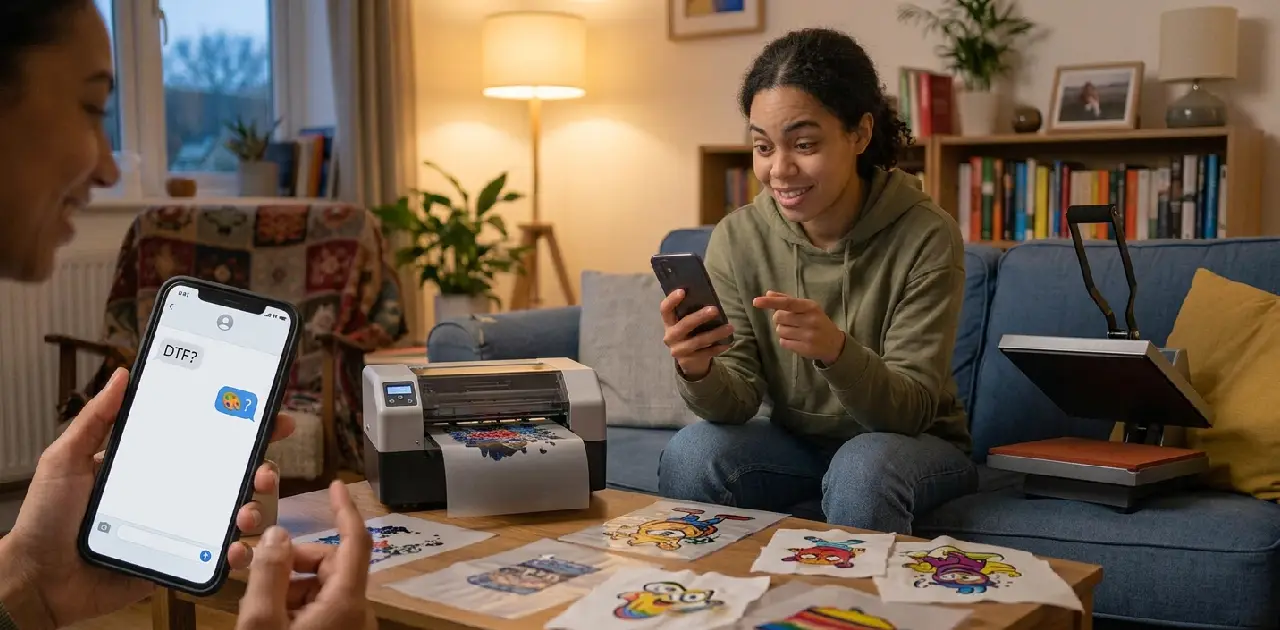
Not necessarily. While DTF’s core meaning stays consistent, the tone behind it can range quite a bit depending on the relationship between the people texting and the context of the conversation.
| Tone | What’s Happening | Example Context |
|---|---|---|
| Genuine and direct | A real, straightforward question about interest in a hookup | Dating app conversation, late-night text |
| Playful or joking | Used ironically or as a bit, often among friends | Group chat banter, meme sharing |
| Testing the waters | A less serious way of gauging interest before a real conversation | Early-stage flirting, uncertain dynamic |
| Sarcastic substitution | The last word gets swapped for something harmless, as a joke | DTF? Down to Food, that is. |
That last category is worth calling out specifically, since it’s become its own small trend. People sometimes deliberately reinterpret DTF with an unrelated, silly ending (“down to food,” “down to Fortnite”) purely for comedic effect, playing off the fact that everyone already recognizes the real meaning behind the abbreviation.
DTF in Different Contexts
Where DTF shows up changes how likely it is to be meant literally, and understanding the platform helps clarify intent.
- Dating apps (Tinder, Bumble, Hinge): DTF is most likely to be genuine here, since these platforms are explicitly built around romantic or sexual connection, and users generally understand the direct tone that comes with that context.
- Private texts between two people already flirting: Also likely genuine, especially if the conversation has already been moving in that direction.
- Group chats among friends: Frequently used jokingly, as a punchline, a tease, or a callback to something else entirely.
- Social media comments or memes are almost always used for humor rather than as an actual proposition, since it’s a public, low-context space.
- Messages from someone you don’t know well: Worth taking seriously as a genuine (if blunt) question, and worth feeling free to respond however feels right, including not responding at all.
DTF and Consent: What Matters Most
Because DTF is a direct question about sexual interest, it’s worth being clear about a few important points before getting into etiquette or reply examples.
- You are never obligated to respond or to respond in a certain way. Receiving a DTF message doesn’t create any expectation; ignoring it, declining it, or answering it enthusiastically are all completely valid responses.
- A “no” doesn’t need to be justified. A simple, direct decline is a complete answer on its own; no explanation required.
- Context matters for safety, not just tone. If a message like this comes from someone you don’t know or don’t feel safe with, trust your judgment, block, report, or disengage as needed, no matter how “normal” this kind of language has become online.
- Consent has to be clear on both sides. If you’re the one sending it, a response that isn’t an enthusiastic yes should be treated as a no, regardless of how the conversation started.
None of this changes what the abbreviation itself means, but it’s worth keeping in mind any time a conversation touches on this kind of direct, adult language.
A Note on Age and Appropriateness
DTF is adult slang in the fullest sense; it’s meant for and used by adults discussing adult topics. If this term shows up in a conversation involving a minor,
Whether as the sender or the recipient, that context changes everything about how the situation should be handled, and it’s a very different situation from two consenting adults texting casually.
Parents, guardians, and anyone supervising a young person’s online communication should treat this kind of language as a serious red flag worth addressing directly, rather than dismissing it as harmless internet slang.
How to Respond to DTF
How you respond really comes down to what’s actually true for you and how comfortable you feel with the person and the conversation.
If You’re Interested
- A direct, honest reply matches the tone of the original message: “yeah, def.”
- If you want to keep things a little more personal first, it’s fine to say so: “Maybe, let’s talk more first, though.”
If You’re Not Interested
- A short, clear decline works well: Not really my thing, but thanks for asking.”
- If you’d rather change the subject entirely, simply doing so is a perfectly reasonable response.
- You’re never required to explain your answer beyond a simple no.
If You’re Unsure of the Tone
- A clarifying question can help: “Wait, are you being serious lol”
- Responding with the same energy the message was sent in (playful if it seems playful, direct if it seems direct) usually keeps the conversation on the right footing.
Other Meanings of DTF (Outside of Slang)
DTF isn’t exclusively dating and texting slang. Depending on the context, it can refer to something completely unrelated.
| Meaning | Context |
|---|---|
| Down to F*** | Texting and dating slang (most common meaning) |
| Direct to Film | A garment printing technique used to transfer designs onto fabric |
| Down to Fortnite / Down to Food | Playful, joking reinterpretations used ironically |
| Custom in-group meanings | Gaming communities or private group chats sometimes assign their own inside-joke meaning |
The meaning of ” Direct to Film” deserves a quick note, since it’s a genuinely established term in the printing and apparel industry, referring to a process where a design is printed onto a special film and then heat-transferred onto fabric.
It has nothing to do with the slang meaning and shows up almost exclusively in business, e-commerce, and printing-related content rather than personal messaging.
Why Do Two Such Different Meanings Share the Same Letters
It’s a little unusual for a slang term with such a strong, singular reputation to also double as a legitimate industry acronym, but it’s not actually that rare a coincidence.
Three-letter combinations are limited, and plenty of them get independently adopted by completely unrelated communities without any awareness of each other.
The printing industry didn’t choose “DTF” because of the slang meaning, and the slang term certainly wasn’t coined with garment printing in mind; they simply developed in parallel, in entirely separate contexts, and happened to land on the same three letters.
This is actually a useful reminder for reading any short acronym online: context does almost all of the interpretive work. Someone searching for “DTF printing supplies” is clearly in a completely different conversation than someone who received a “DTF?”
Text from a dating app match, even though the letters themselves are identical.
Is It Ever Okay to Use DTF in a Professional or Public Setting?
No. Regardless of which meaning is intended, DTF should never be used in professional communication, customer-facing content, or any setting where the audience might reasonably include people unfamiliar with or uncomfortable with adult slang.
Even the printing industry’s “Direct to Film” meaning is typically spelled out in professional writing rather than left as a bare abbreviation, specifically because of how strongly the slang meaning dominates general recognition of those three letters.
A few quick examples of what to avoid:
- Wrong: Using “DTF” in a workplace group chat, even as a joke.
- Better: If referencing the printing technique professionally, write out “Direct to Film (DTF) printing” the first time it’s mentioned.
- Wrong: Assuming everyone in a mixed-age or professional social media comment section will read it as harmless.
- Better: Avoid the abbreviation entirely in public-facing or semi-professional content.
Common Mistakes People Make With DTF
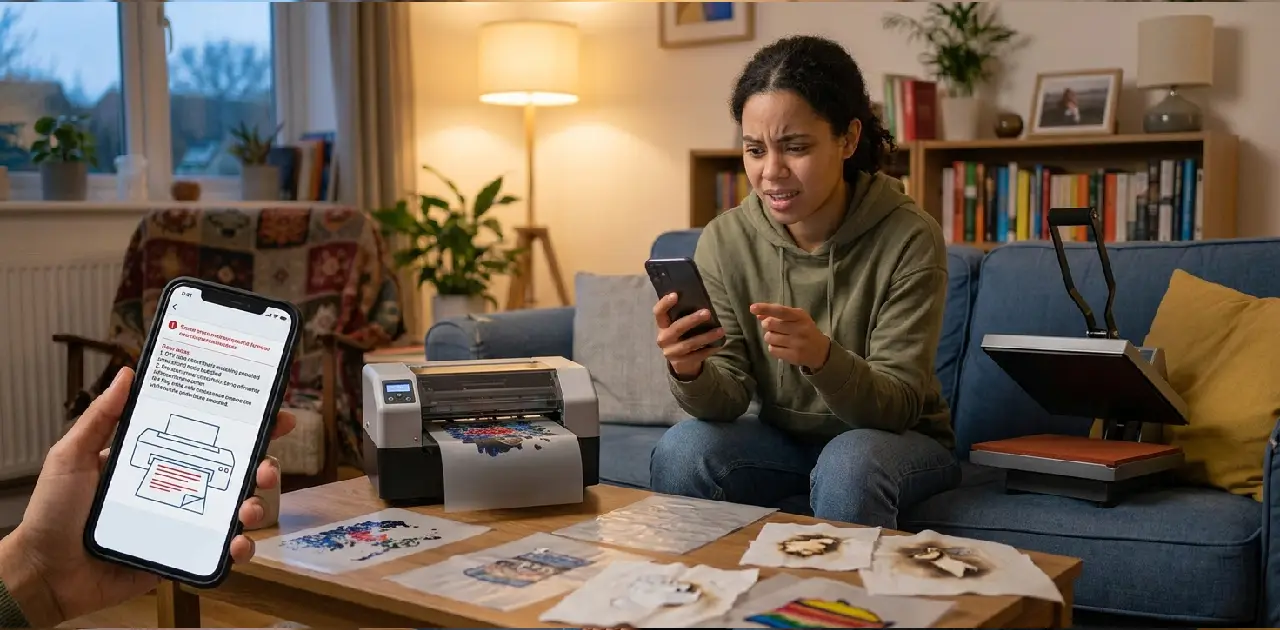
- Assuming it’s always meant literally. As covered above, plenty of DTF messages are jokes, memes, or playful banter rather than genuine propositions.
- Using it with someone who might not know the term. Not everyone, especially across different age groups or cultural backgrounds, immediately recognizes the abbreviation, leading to confusing or awkward exchanges.
- Reading too much into a single message without context. A DTF text from a stranger on a dating app carries different weight than the same text from a longtime friend joking around.
- Forgetting that declining requires no justification. People sometimes feel pressured to explain a “no, when a simple, clear decline is a complete and acceptable response on its own.
- Using it in my Xed or professional company. Even as a joke, this abbreviation carries enough weight that it’s rarely a safe bet outside of clearly casual, private conversations.
Freque as a genuine proposition.
Where did the term DTF come from?
DTF became popular slang in the early-to-mid 2000s, gaining wider recognition through reality television and casual youth culture before becoming common texting shorthand.
Do I have to respond if someone sends me DTF?
No, you’re never obligated to respond, and if you do reply, a simple yes or no is a complete answer without any need for further explanation.
Does DTF have any other meanings?
Yes, outside of texting slang, DTF can also stand for “Direct to Film,” a printing technique used in the garment and apparel industry.
Is it appropriate to use DTF at work or in public posts?
No, it’s considered explicit adult slang and should be avoided in professional, public-facing, or mixed-audience communication.
Final Thoughts
DTF is about as direct as internet slang gets, three letters that instantly communicate an adult, specific message to anyone familiar with modern texting culture.
Whether it shows up as a genuine question on a dating app or a joke in a group chat, understanding the context around it makes it much easier to read the tone correctly and respond in whatever way actually feels right for you.
If you ever receive a message like this, remember that your response, whatever it is, doesn’t need to be anything other than honest. A clear yes, a clear no, or simply no response at all are all completely valid ways to handle it.
Leave a Reply